


Last updated: . Clarified the historical family account and corrected broad health and food-safety claims with referenced planning guidance. Date information added October 31, 2026.
An early family travel account, with health and planning context checked in October 2026. Originally published February 2, 2019, this story looks back on our 2018 diet changes and first experiences in Bali and Singapore. It preserves our decisions and how we felt, while correcting broad medical and food-safety claims. It is not a diagnosis, treatment plan or current directory of gluten-free venues.
Start with your individual needs: Celiac disease, food allergy and other reasons for avoiding gluten are not interchangeable. NIDDK’s diagnostic guidance explains that beginning a gluten-free diet before celiac testing can affect results. Discuss symptoms and testing with a qualified clinician rather than copying our family experiment. For a diagnosed condition, follow the clinician’s avoidance and emergency instructions.
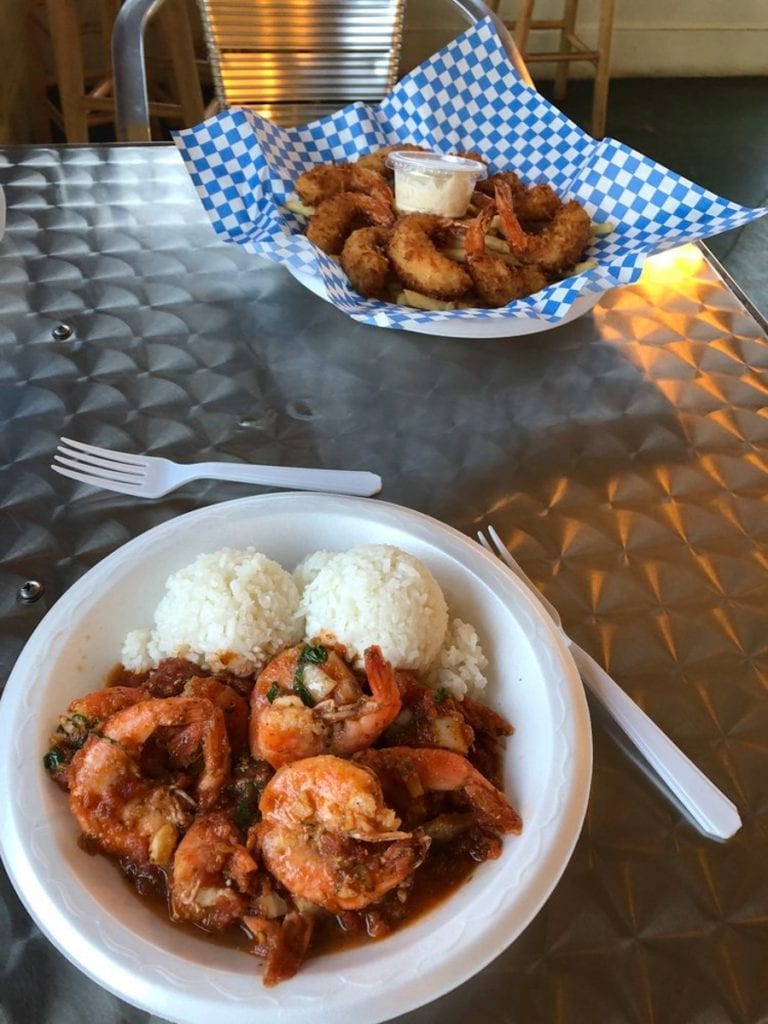
For meals, NIDDK’s celiac diet guidance emphasizes checking ingredients and avoiding cross-contact. Wheat, barley and rye contain gluten. Plain rice can fit a gluten-free diet, but sauces and preparation matter. Ask a specific kitchen about your needs, and use a registered dietitian to help maintain a balanced diet. The photos here do not verify ingredients or show that a dish is suitable for you.
Who doesn’t love to talk about food?!
When this post was first published in 2019, we were excited to introduce our food IG channel, @thehungrywayfinder. We love to eat. We have the extra pounds and the mom-bod and dad-bod to prove it. Haha!
Watch our original film about favorite foods in Asia on YouTube.
*Disclaimer: This post may contain affiliate links. Opinions shared are my own, and I only endorse products I support. By clicking on any of the links below, I may get a small commission if you purchase at absolutely no additional charge to you. I appreciate your support.*
Food used to be a HUGE part of why we traveled. We actually traveled to Portland for the first time because when we Googled “best US foodie destination”, Portland was near the top of all the lists. Portland was our second stop on our journey and we fell in love, food, and otherwise.
Right before we left to travel the world, in March 2018, I went to a holistic hormone NP and did some blood work. I went to check if my hormones were all OK after finishing baby making and nursing. What I was told about the blood work surprised me: I understood it as showing an inflammation concern. This is my recollection of that consultation, not an independent reading of the tests.
Sure, I was tired. I was dragging sometimes. However, I have five kids! At the time the youngest was not even one. Isn’t it normal to be tired? Isn’t it normal to need a nap every afternoon?
When the NP suggested trying gluten-free eating, I was SHOCKED. I wasn’t all that resistant, just blown away. This was not the news I expected. I asked for the reasoning and was convinced at the time. I understood the concern as early signs of Hashimoto’s, with autoimmune disease already part of my family history. NIDDK describes Hashimoto’s as an autoimmune thyroid disorder. My old explanation that food was making my thyroid create antibodies was too simple; this account does not establish that gluten caused or that avoiding it prevented thyroid disease.
I didn’t know at first if I needed to go off just gluten or if I would need gluten AND dairy. The NP told me to start with gluten first for three months and then re-test my blood. “But I’m about to travel the world!” I said. We looked up a lab in Portland, where we would be three months later, and I set a date to get retested.
I went home and ate a cookie.
The next week or so was hard. I have a dear friend who is Celiac, so I wasn’t as new to it as some. I knew the main culprits. I immediately texted her and got some advice.
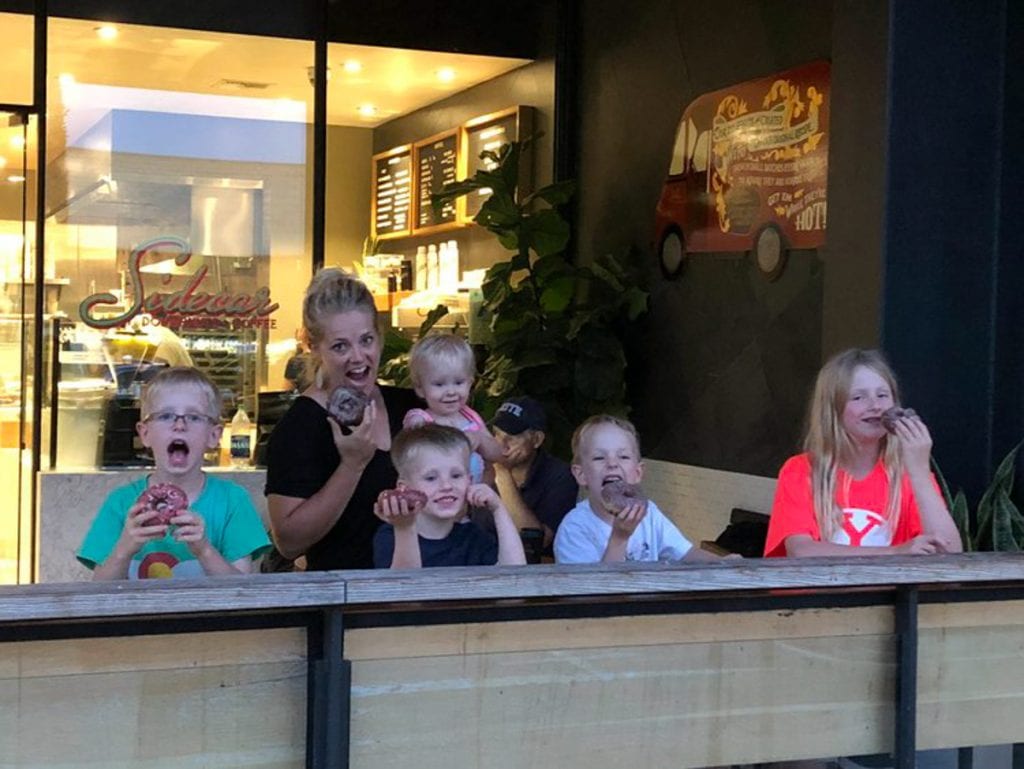
Do you know how hard it was to go to Portland and NOT eat gluten? It was a real test of my will power. Dim Sum, Blue Star Donuts, Bao Bao… the things that were bringing us to Portland in the first place!
Fast forward a few months: I understood my repeat blood work as improved, felt less tired and no longer needed a nap every day. I was happy with how I felt after changing my diet. That sequence is our personal experience, not proof that gluten was the cause or that the same change will treat someone else’s thyroid condition.
The day we left Portland, we picked up Blue Star donuts. I planned to eat one and ended up eating three! I had understood the NP to say an occasional nibble would be OK for me. That individual conversation is not advice for anyone with celiac disease or an allergy to try small amounts.
We drove to Pacifica, CA and that night I felt pretty rough. The next day I was a mess! I felt incredibly foggy, like I’m in that uber-exhausted, I-can’t-make-a-decision state. Kind of like how I am when I have a newborn and haven’t slept for weeks. I also was incredibly tired. I think I slept until 11 am and didn’t know how I would even get out of bed because I was still so tired. At the time, I blamed gluten. Feeling rough after that meal did not by itself identify the cause.
A couple more months later, I wondered whether the kids should try gluten-free eating too. Our three-year-old had a skin-prick test in the week before we left, with results I described at the time as reactions to gluten, peanuts and egg yolk. We were in the middle of moving and began avoiding those foods where we could. Those remembered results are not a celiac diagnosis. NIAID’s food-allergy guidance explains that skin or blood test results alone do not diagnose a food allergy; a qualified clinician needs to interpret the history and tests. Do not copy our informal approach to deciding what a child can safely eat.
I kept getting little messages to my soul that the kids needed to try it. So we talked about it as parents and decided we would take everyone gluten-free, except for Chris, for a year. Why not Chris? He went to the same NP and got his blood test back. We understood his results as not showing the same concern; that is not a general rule for who should avoid gluten.
Presenting it to the kids was rough. The big ones REALLY pushed back. They loved that when I couldn’t eat gluten, they got my portion. Many of their favorite kid foods contained gluten. However, we knew we couldn’t just make the three-year-old be gluten free. He would feel SO isolated and resentful. He wasn’t old enough to be the outcast with mom and be OK with it.
I worried that one or more of the kids might share my problem, especially after the skin-test experience and conversations with friends who had celiac disease. Looking back, that worry was not a diagnosis. Family history and symptoms are reasons to discuss testing with a clinician, not reasons to assume every child has the same condition.
How we thought about the family experiment at the time:
At the time, we felt Harrison, then three, did better when he avoided gluten. We noticed tiredness, irritability and impulsive behavior around times he ate it, and thought we saw a pattern. Those observations cannot diagnose the cause or prove a food effect. He began asking, “Is this gluten-free?” We were also trying to avoid peanuts and egg yolk, which made meals more complicated. A clinician’s assessment and individual plan matter more than our interpretation of those difficult days.
Accidental exposure worried us. At an Indian buffet in Bali, I ate something I thought was chickpea-based and later believed contained wheat flour. I felt like a walking zombie the next day. It was a rough experience, but it does not prove which ingredient caused it. It taught me not to guess a recipe from appearance.
Which brings me to….. traveling Asia and being gluten-free!
I’m by NO MEANS an expert. When I wrote this in 2019, I had visited only two international destinations on that journey. The experiences below describe that early stage, not current coverage of a whole continent.
What we had heard about other places before visiting them:
What food allergies do you have? How have you dealt with this internationally? Any recommendations for us?

Plan your next international trip and get some budget-friendly tickets from Booking.com, Skyscanner, Kiwi.com, or Expedia
Find a family-friendly hotel wherever you are from Booking.com, Expedia, or Vrbo, (we also love Tripadvisor and Hotels.com)
Discover more of the world through exciting activities from GetYourGuide, Airbnb Experiences, or Viator
Need to rent a car? Visit Rentalcars.com.
Compare current insurance cover and eligibility with World Nomads.
Want to have a photo shoot while traveling? Check out flytographer!
Capture your best travel memories as we do with a GoPro, Sony camera, or our favorite drones: DJI FPV, Air, and Mini
Check out your travel necessities from a comprehensive list of all the 7Wayfinders Travel Must-Haves. Click Here!
10 Tips For Surviving Jet Lag When Traveling With Kids
Airbnb vs Hotels Internationally: Where to Stay for Family Travel
Homeschooling While Traveling: My Ultimate Homeschooling Guide






 Facebook
 Pinterest
 Youtube
4 Comments