


Last updated: . Edited for clearer structure, historical family context, and qualifications for programs, progress, and supervision.
First published February 23, 2020. This retrospective reflects our family’s first 20 months of full-time travel. The children’s ages, programs, and plans below describe that time.
What do you do about the kids’ education when you set off for full-time travel? For me, worldschooling was one of the big questions, alongside finances, relationships, and health. I had always been fascinated by homeschooling. I believed it could be a wonderful experience when we took it seriously, and I knew that doing it well would take real work.
When we decided to travel full time, this was my biggest hurdle. Our online business had already answered the financial question, but that didn’t make the decision any less scary. I wanted to share an honest update because other families had asked about our homeschool in my Instagram stories. If you’d like more background, you can read my earlier post about worldschooling while we travel.
We were tired in many parts of life, and homeschool was one of them. The kids often wanted to play instead of doing school. Getting them started had probably become a little easier, but there were still hard days. When you are both the parent and the teacher, you are balancing encouragement with boundaries, patience with forward motion, and lessons with meals, laundry, work, and the younger children. It was a handful.
We had tears and frustration. Usually one child would hit a wall, and sometimes I did too. I would need to step away, regroup, and come back after some time and a little care.
At that point, our family rule was that if a child skipped the schoolwork we had agreed on, they might miss part of an outing. We sometimes left an older child at home for a few hours while we took the younger ones out, or Chris stayed with a child who still needed to finish while I went with the children who were ready. That was our family’s decision at that time, not a rule I’m suggesting for other families.
I understand why some families choose not to make school a daily fight. I had already eased up from my earlier expectations because the kids were learning through our experiences, too. Still, I wondered how all of that learning would fit into the kinds of school records or college plans we imagined then. I didn’t have a simple answer.
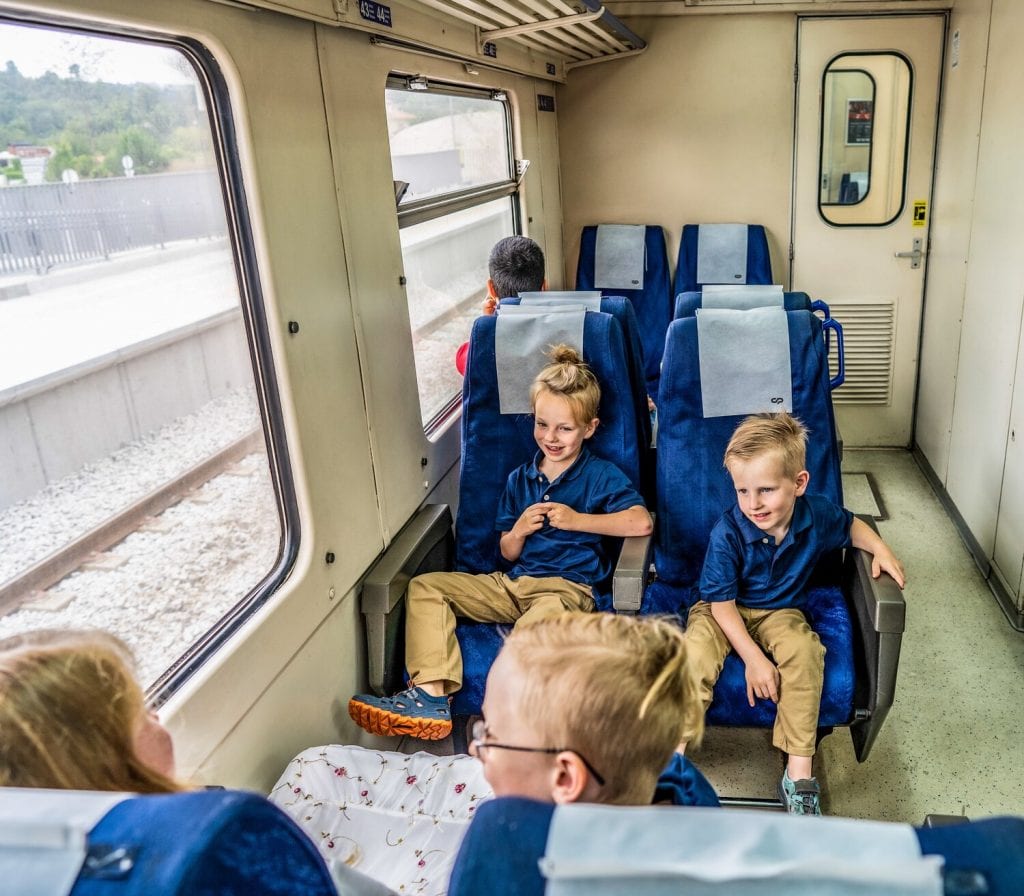
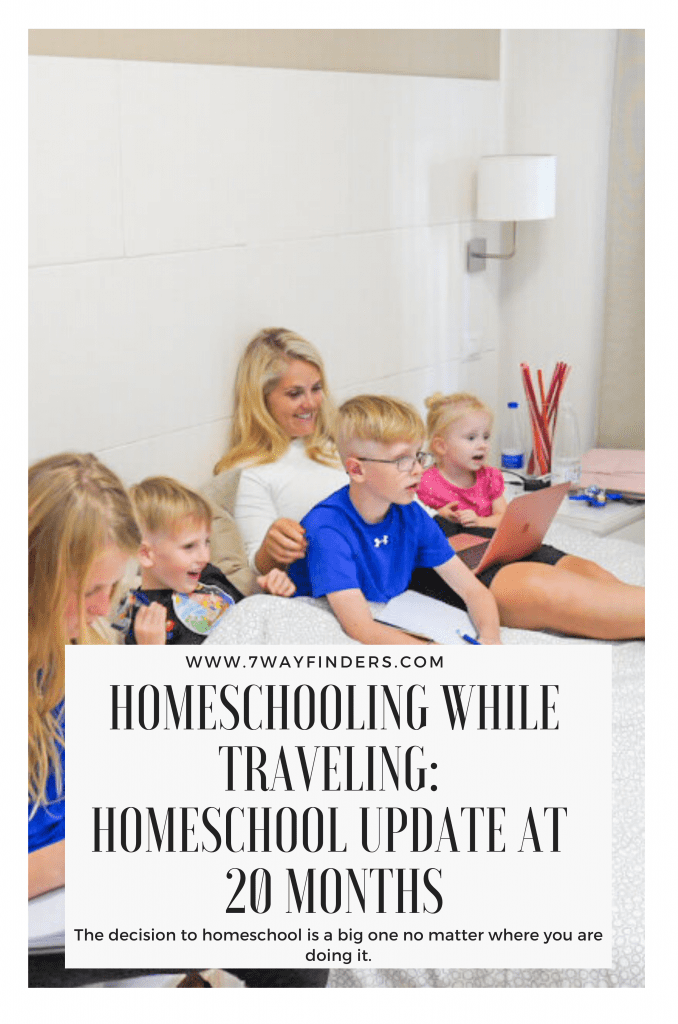
We did school on trains, planes, and all sorts of other places. The kids’ work generally fell into two groups: books for math, handwriting, spelling, and journals, plus computer programs that needed a decent internet connection. That gave us options on a travel day, but it also meant keeping track of supplies, finding Wi-Fi, and working around unpredictable spaces.
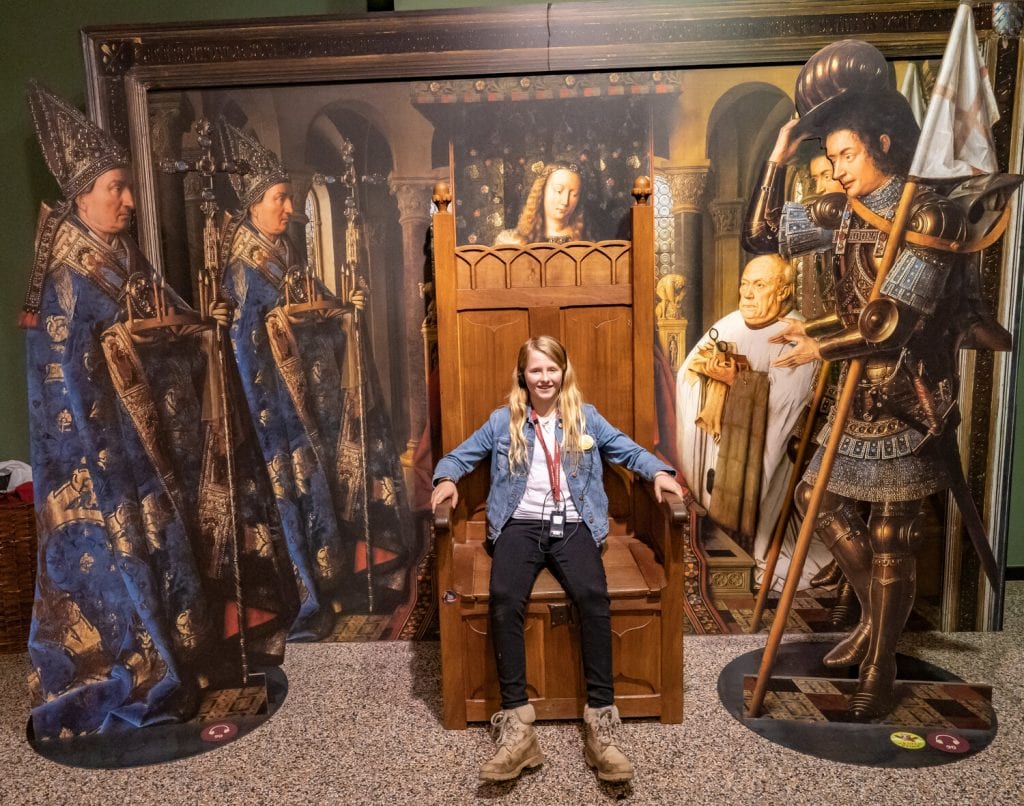
The younger children needed attention while the older ones worked. Sometimes toys or a tablet helped them stay occupied. It wasn’t an ideal classroom setup, but it was the one we had while moving around.
At home, families may be able to join a homeschool group or use classes at a local school. I wished we had more chances for that kind of community and shared learning. We had spent a long time in places where we didn’t speak the local language, so even a visit to the park didn’t always bring the conversations and connections I hoped for.
I also missed having a printer. I had considered bringing a small travel printer, but after months on the road I was glad we hadn’t added one more thing to carry. Still, there were times when I wished I could print a worksheet or coloring page.
We underestimated how much work it would take to plan travel. We were booking some flights later than we once had and sometimes researching a place only after we arrived. The blog and videos were other projects we cared about, but the total load left us with less patience and creative energy for school than I wanted.

Getting books and other materials could take planning, especially when we weren’t in an English-speaking country. Visitors sometimes brought supplies to us, which we appreciated. And then there were all the ordinary adult tasks—working, exercising, showering, shopping, keeping a home running, and making time for one another. Homeschool had to fit around all of it.
In my earlier post I compared worldschooling to breastfeeding: the good parts can feel meaningful, but day-to-day progress is hard to measure. Often I noticed it later, in a small moment.

I would suddenly realize how much Grant’s reading had changed since we left, or catch Harrison recognizing letters as we drove. Harrison was still in early preschool, so I wasn’t doing much formal work with him. At the time, we used Utah’s Waterford Upstart program with Lincoln, and it seemed to help him. Lucy would show me how she was working with fractions, and we were surprised when Lincoln read aloud from our scriptures with confidence.
Lucy had become quite independent with her schoolwork and was thinking about college and what she might want later. She hoped to be caught up if we returned to a traditional school. Those were her hopes and our plans at the time; I couldn’t know how they would unfold.
I had not officially tested the kids. A friend had told me about a way to do it, but I felt nervous. Phew. I was still working up my courage! I knew we were working hard, yet I still wanted a clearer sense of how the children’s work compared with what we thought of as grade-level progress. At the time, Grant was about a semester behind in math after a new program at his school, Lincoln was ahead in math, and Lucy felt on track. Those were my observations of their programs then, not a formal assessment.
When I wrote this, we thought we would probably try a traditional school the following fall, perhaps in another country. We hoped for a public school and wanted the kids to learn another language. We also thought the older kids could use more opportunities to build friendships outside our family. We were considering a year in one place while continuing to travel when we could. Those were our hopes then, not a promise about what happened next.
Absolutely. Homeschooling had challenges, but I loved the freedom and learning alongside the kids. One of our programs, ReadLive, introduced us to things I might not have expected to study together—glaciers, molasses floods, foods, and more as we practiced reading. I loved hearing what they were learning about.
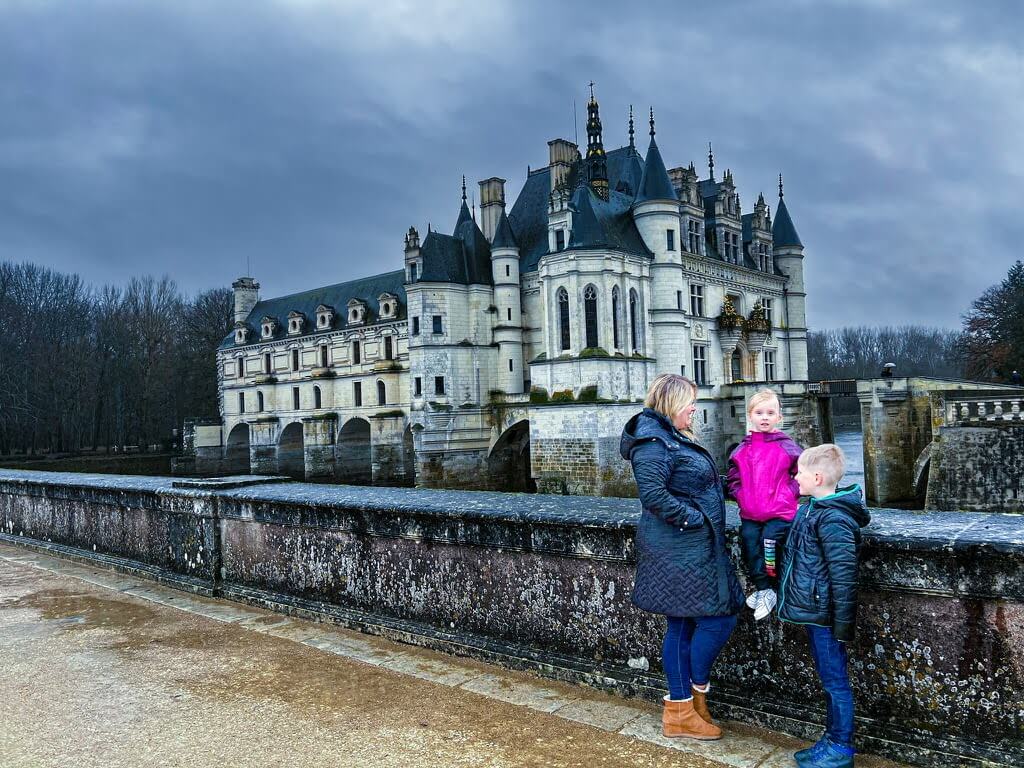
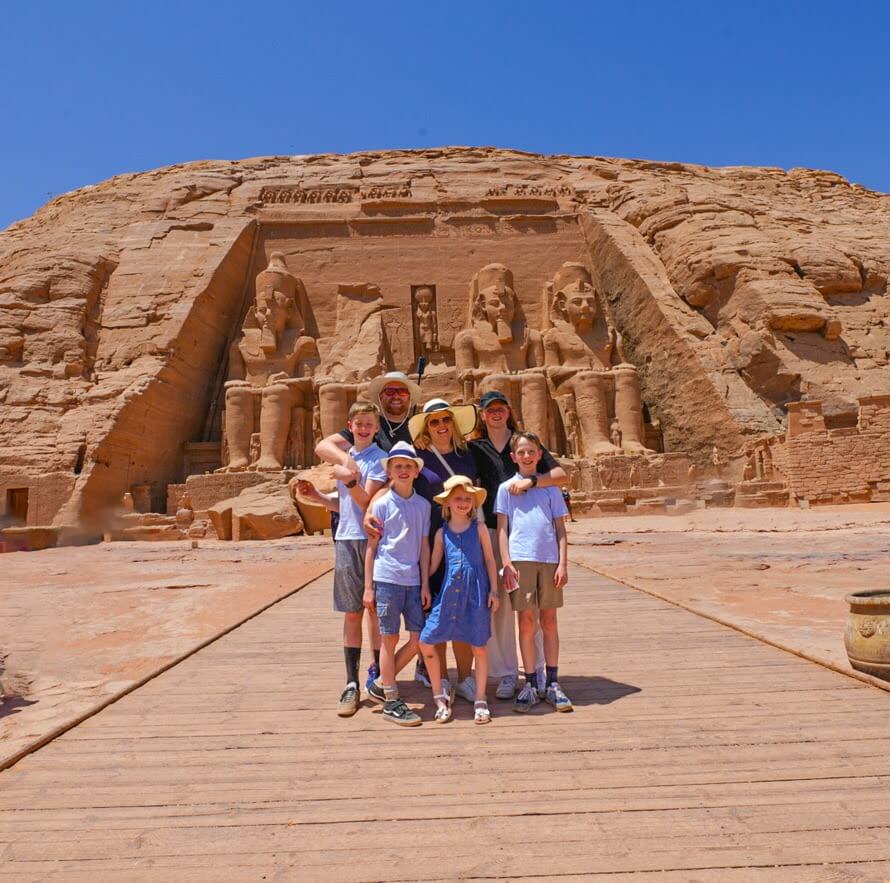
Museums and tours made history feel close. We could learn together in museums around the world and from guides who shared what they knew. Around the time I wrote this, we had spent hours learning about glaciers in New Zealand with two guides. The day before, we watched documentaries about Edmund Hillary. I loved having those experiences with my kids.
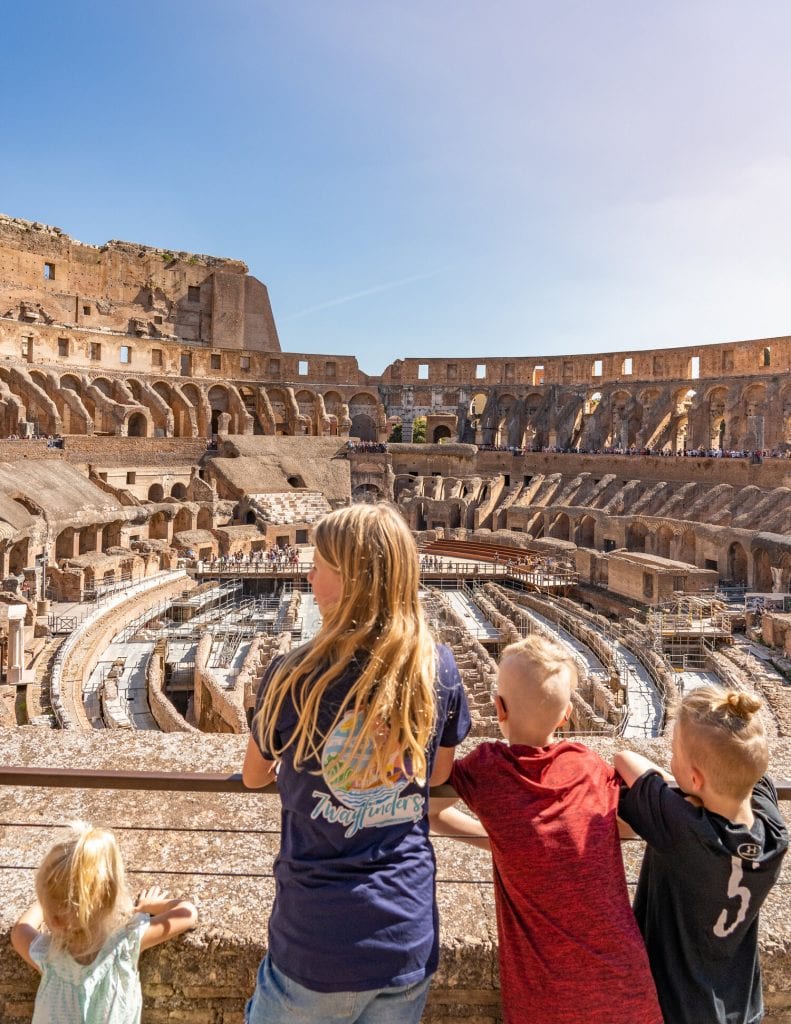
Our related Colosseum family film was published in July 2020, after this article first appeared.
Watch our separate Colosseum family video on YouTube.
If we homeschooled again, I thought I might use an accredited online program. I worried about whether we were doing enough and thought more structure could help me. We were spending more time on school than I had expected—sometimes four to seven hours a day—so I felt there was room for a planned program.
I also worried about records to show a school and whether the kids might be placed behind. I didn’t know how that would work, especially if there were language differences. I was trying to trust the feelings I had from God and not get mired in fear and anxiety.
Our longest break had been two weeks over Christmas. I loved the freedom, but I also found myself worrying when we stopped doing school. Looking back at that moment, I wished I could give us a longer break to recharge. We were still figuring out what balance worked for our family.
I often expected myself to accomplish far too much in a day. I was grateful to have a spouse who supported my goals, but I still wanted better balance. Homeschool went best when I sat with the kids without also packing, planning travel, or answering emails. I wanted to be more present for those lessons.

Are you worldschooling, or have you ever wanted to? What resonates with you about our experience? I’d love to know.
XOXO, Leslie



 Facebook
 Pinterest
 Youtube
12 Comments