Family Travel: Asia versus Europe: the Major Differences?
Family Travel in Asia vs Europe: Differences We Noticed
After seven months in Asia and several months in Europe, I wrote down the differences our family noticed in costs, transport, food and everyday routines. These are observations from our own earlier route, with plenty of variation within each region.
What I learned during our seven months in Asia · Full film (24 min 19 sec)
The full film shares my reflections after our Asia travels; it does not cover Europe or establish one rule for an entire continent. Historical prices, exchange rates, service availability and broad advice in the recording should be checked against your actual destination and travel dates.
*Disclaimer: This post may contain affiliate links. Opinions shared are my own, and I only endorse products I support. By clicking on any of the links below, I may get a small commission if you purchase at absolutely no additional charge to you. I appreciate your support.
After seven months of family travel in Asia and now wrapping up our third month in Europe (and seeing over 10 countries in Europe), I am finally forming enough of an option to write this blog post. I will likely go in and edit later as we still have two more months before we leave Europe, but I feel a good grasp on the differences.
Family travel is a unique experience, so my observations are based on this kind of travel. Traveling as a single person or couple may be totally different. Also, these are just OUR experiences and may vary widely from experiences you’ve had! So take it all with a grain of salt. Also remember in most of these places we are mix of tourists and trying to “live” there for a month, so we do things many tourists don’t (doctors visits, dentist appointments, health and beauty care, grocery shopping, etc.)
What are the biggest differences when it comes to family travel between Asia and Europe? While trying to generalize such large areas is difficult and not always accurate, these have been my take-aways after nearly a year of full-time international travel.
Our Asia video draws on seven months of travel, including time in Bangkok, Taiwan, China, and Vietnam. It is a companion to these family observations, not proof that one rule applies across Asia or Europe. Costs, transport, and everyday routines vary by country and city; check current details for the places on your itinerary.
Costs: Our costs varied widely by country, city and the kind of stay we chose. However, it can be done just as cheaply, I’d say, as Asia. This has surprised me. There is a MASSIVE variation in transportation costs, housing costs and food costs in Europe. Some differences felt to us like a tourist premium. You can get this in Asia as well, for sure, but it’s more of an undercurrent here in Europe. For example, our guide in Italy for a day-trip was discussing this with us and gave us some incredible info! He told us that, in his experience, English-menu prices could be higher. This was his comment during that trip, not a verified pricing rule. He can get a pizza anywhere, he said, for 5 euro and we usually see 10-20 euros on a menu. That conversation made us pay closer attention to listed prices. Sometimes you may even see a price listed in a board and they will charge you more at the register. You can stick to your guns and ask for the listed price, so pay attention. To some degree, we just accept this and roll with it. There are also cheaper countries in Europe, for sure, just like in Asia. Portugal and Italy can be quite affordable or massively expensive. Croatia was our cheapest stay at that point. France had felt more expensive to us so far; we had not yet tested our expectations for Germany and Austria.
Learning New Currencies on the Road
In the companion film, I recall realizing that the change from a Vietnam meal was different from what we expected. The number of zeros on unfamiliar notes took attention. This is a personal memory from that trip, not a current exchange-rate quote or a claim about restaurants in general.
Remembering a Currency Mix-Up in Vietnam · Scene from our film (20 sec)
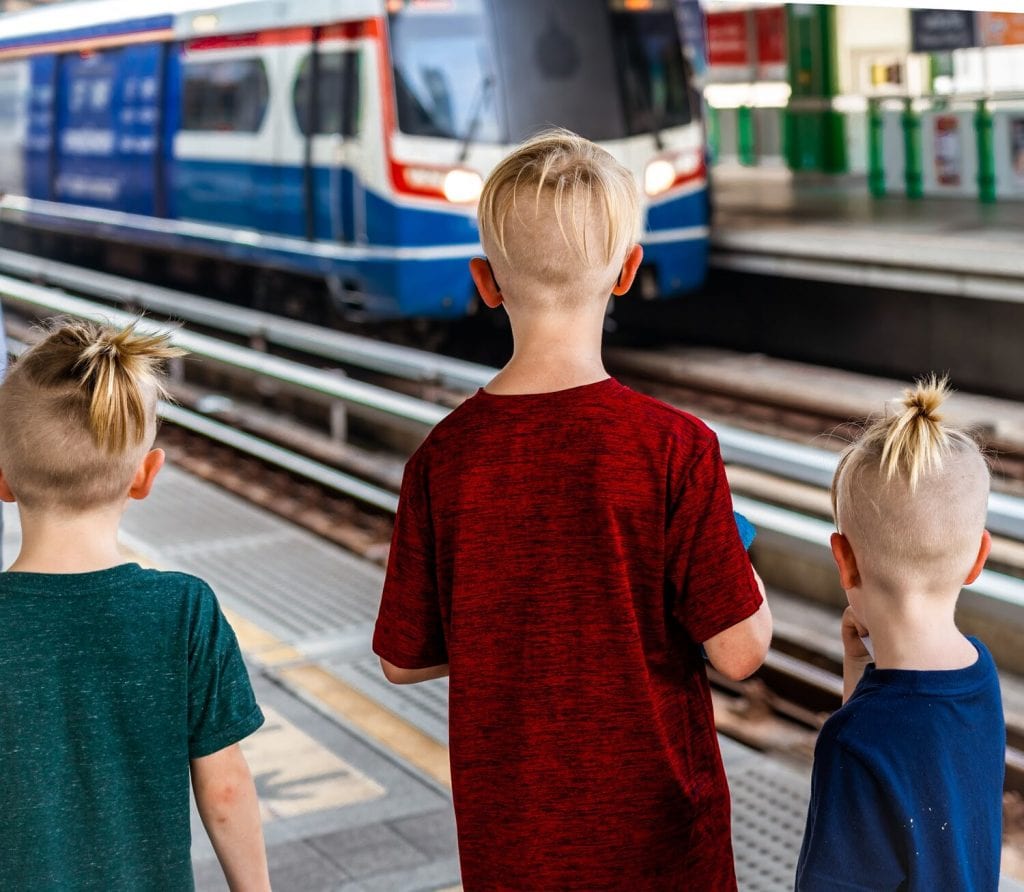
Transportation: For our family on that trip, transportation had similarities as well as differences. I’d say getting taxis in Asia was overall easier… we get blown off a lot in Europe! Some interactions with drivers in Europe were frustrating for us, especially while traveling with the children. Our taxi costs varied: some Southeast Asian rides were cheaper than those we took in Japan or Europe. We used train and bus systems in several major cities on both continents. We often found signs in English, so it’s just figuring out the finer details of where to go. This usually means we try one direction and find out it is wrong. We appreciated the European train journeys we took. Overall cleanliness of train stations and bus stops varies by country with Singapore and Japan being the cleanest BY FAR.
Our Own Transport Choices
I explain in the film that we traveled without a car for most of our Asia journey, apart from a weekend driving to Kyoto. That arrangement suited much of our route then. The advice in this older recording reflects that experience; a different destination, accessibility need or family itinerary may call for another plan.
How We Got Around During Our Asia Trip · Scene from our film (15 sec)
Friendliness: We had many warm encounters during our Asia travels. Those were a highlight for us. We often managed to communicate despite not knowing the local language. In Europe, this hasn’t been too bad, but there is some frustration as you blunder along in English. At times in Europe I felt more aware of my own language limitations. At least in Asia, English is the common language between Europe and Asia (as well as the US and Asia), so most tourists are speaking English. We have Northern European heritage, so a couple of times here in Rome I’ve been mistaken for a European (until I open my mouth, of course!). That has been kind of fun versus looking totally different in Asia from the local heritage.
What About the Language Barrier?
Language was one of the questions people asked me most often about traveling with our five children. In this excerpt, I introduce that question and remember feeling intimidated before we left. The full conversation is about our own seven-month Asia trip, rather than a promise that English will work in every place.
The Language Question I Was Often Asked · Scene from our film (20 sec)
I miss the kindness or politeness of Asia. We often felt welcomed in Thailand. Other Asian countries we visited varied, and our encounters differed from place to place. Some encounters in Europe left me feeling less welcome, while others were lovely. Those feelings describe our own trip, not everyone on either continent.
Ease for a Big Family: I’d say Europe and Asia are about equal. Finding rooms and transport for seven people often took extra searching. Room layouts, occupancy limits and prices varied by property. Parts of SE Asia seemed to be easier to get larger taxis, especially Thailand. However, we’ve had good luck in Rome also. Be sure to check our my tips for transportation around the world (currently drafting) for general tips on getting around. The way strangers interacted with our children varied. Some adults in Europe showed affection in small gestures. On the flip side, we’ve had a good number of adults in Europe get very frustrated we decided to travel with children at all, to the point of yelling at our children (just a couple of times). That’s not my favorite AT ALL and puts me totally on edge. We never had that happen in Asia, which is why I consider that an amazing destination for family travel.
Food: Hands-down easier in Europe. For our family coming from the U.S., much of the food we found in Europe felt familiar. Asian food is AMAZING and I love it, but eventually, after months of travel, you and your family just want some comfort food. This is one reason we search out Mexican food everywhere we go :). Many tourist spots in Asia still serve “American” classics like burgers and hot dogs and pizza, but it can vary widely on quality. Sometimes it’s just gross! The food in Europe has been so delicious, especially here in Rome. Portugal was yummy and we found some wonderful places, but I feel like every meal here in Rome is knocking my socks off with something! From the cheese to the bread to the pastries to the gelato, Europe is just more familiar. I chuckle as we walk around Europe and see the the token Chinese Restaurant, packed with Asian tourists. I think it goes the other way too: they crave familiar foods as well. This doesn’t even touch on being gluten-free. There is no competition on GF food. Finding gluten-free food was harder for us in the Asian destinations we visited. It is VERY hard to find (the only fall back in expensive hotels that cater to western tourists. We sometimes found GF options when we asked). Europe has been SO easy relatively. Gas stations, restaurants, groceries stores have all had GF options. The most difficult was Croatia, and availability still depended on the destination and individual shop or restaurant. Our experience is not a guarantee of gluten-free preparation or allergy safety.
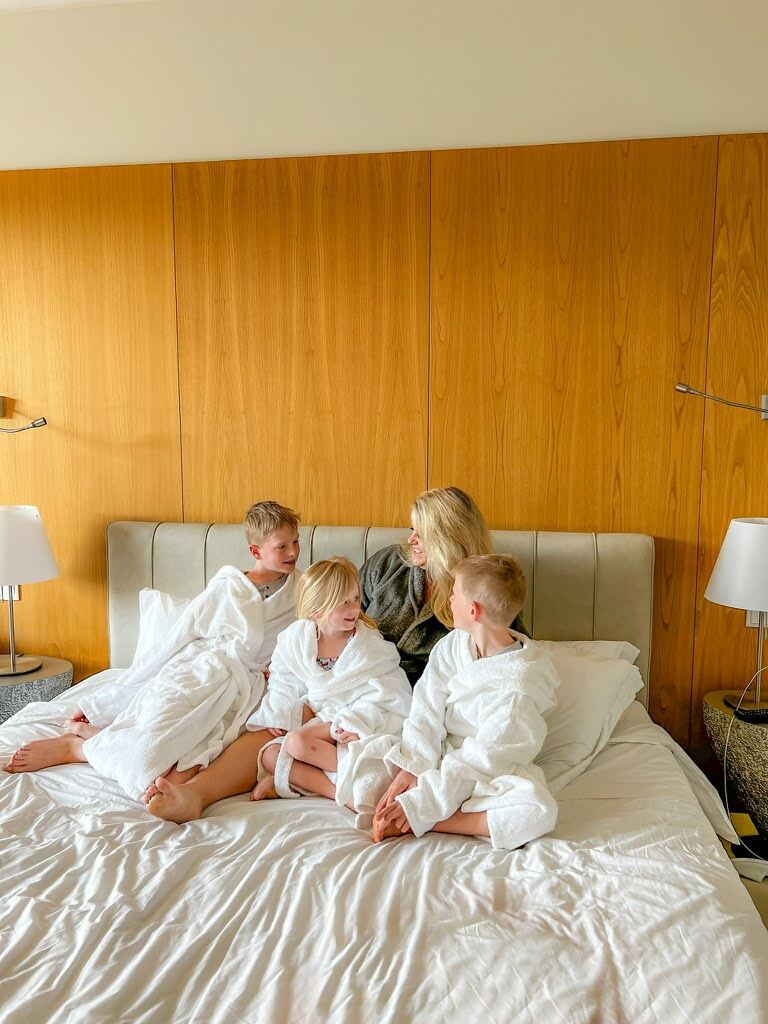
Beds.You may laugh at this category, but it’s no joke! A bad bed can ruin a vacation. You’ll be walking around with back pain or neck pain, popping pain pills– NOT fun to deal with while trying to travel with your family. Jet lag is already going to kick you in the behind, so having a good bed goes a long way! We’ve slept on all kinds of beds around the world, including the floor in Japan. Overall, you get what you pay for :). Some hotels had beds that suited us better than others. Several beds we encountered in Asia felt very firm to us. Our bed in Hong Kong was, not kidding, a piece of plywood with a mattress pad. It was incredibly uncomfortable and painful. We also experienced floor sleeping in Japan. Those were particular accommodations, not a rule for every property or guest. Know this before you book your Airbnb! Beds in Europe have varied about as much as they might across the US. Some softer, some harder, but all reasonable.
Bathrooms. I could (and probably will eventually) write an entire blog post on bathrooms. Let’s just say it now: outside of Japan, bathrooms are a MILLION times easier in Europe!
I loved many of the bathrooms we used in Japan. Some were strikingly clean and had features that were new to us. Several public restrooms really impressed me. Japanese showers and tubs are combined into one room, so you can splash in the tub to your hearts content (which I LOVED for our toddlers). The separate wet-room layout was something I appreciated for family bath time. I also was constantly amazed at Japanese tech in the bathroom. Sometimes the seat would rise as you entered, white noise or nature sounds might play as you sit down (so you can’t hear each other pee), the seat might cleaned, the bowl will be sprayed (so nothing sticks to it). I maybe miss Japanese bathrooms the most out of anything in Japan! (Sorry, tangent there on Japanese bathrooms!).
Other Asian toilets can vary from totally normal looking westerns to squatty potties. Don’t know what that is? It’s basically a hole in the ground with a place for your feet on either side. You squat down to do your business and it flushes away with some water. If you can’t squat super low, you end up spraying yourself and your feet and legs. Gross. However, these are much more familiar and comfortable for Asian cultures. Facilities varied by place; check what is available and accessible for your needs.
Toilet paper is hit or miss and also varies on if you can flush it down the toilet (no-no in Thailand). Instead, you need to throw it away. Also gross.
European bathrooms are quite similar to the US with a few exceptions. First, we found bidets in several apartments, houses and hotels. Second, a few times in restaurants or cafes or gas stations there is no toilet seat in the women’s toilet. It’s just the bowl. I can’t figure out if this is cost savings or for cleaning purposes or what. It’s strange to me. Flushing can also be really different, from tanks over the toilet to floor pedals you need to push. They usually have two flushing options: solid waste or liquid waste. Cleanliness is like the US- varies based on where you are.
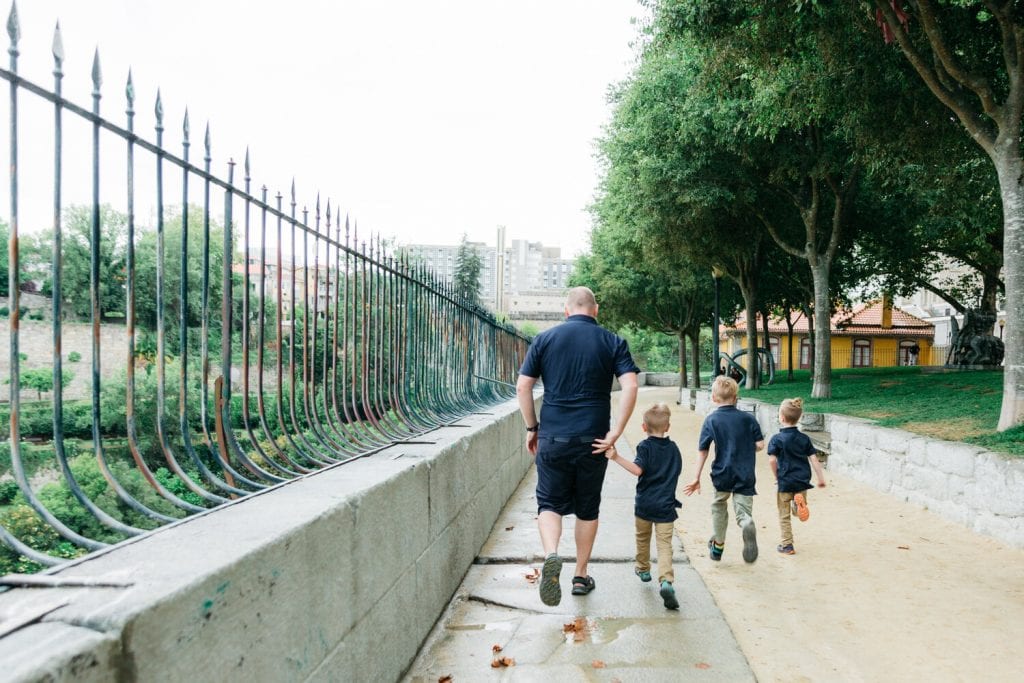
Sidewalks. The walking conditions we encountered varied widely. There are a LOT of places in SE Asia with no sidewalks at all. We found more continuous sidewalks on some routes in Japan and Europe, but this depended on the street. Just something to keep in mind as you truck around with young children. Also, note that strollers on cobblestones (hello most of Europe) is not very fun. Nor are high heels.
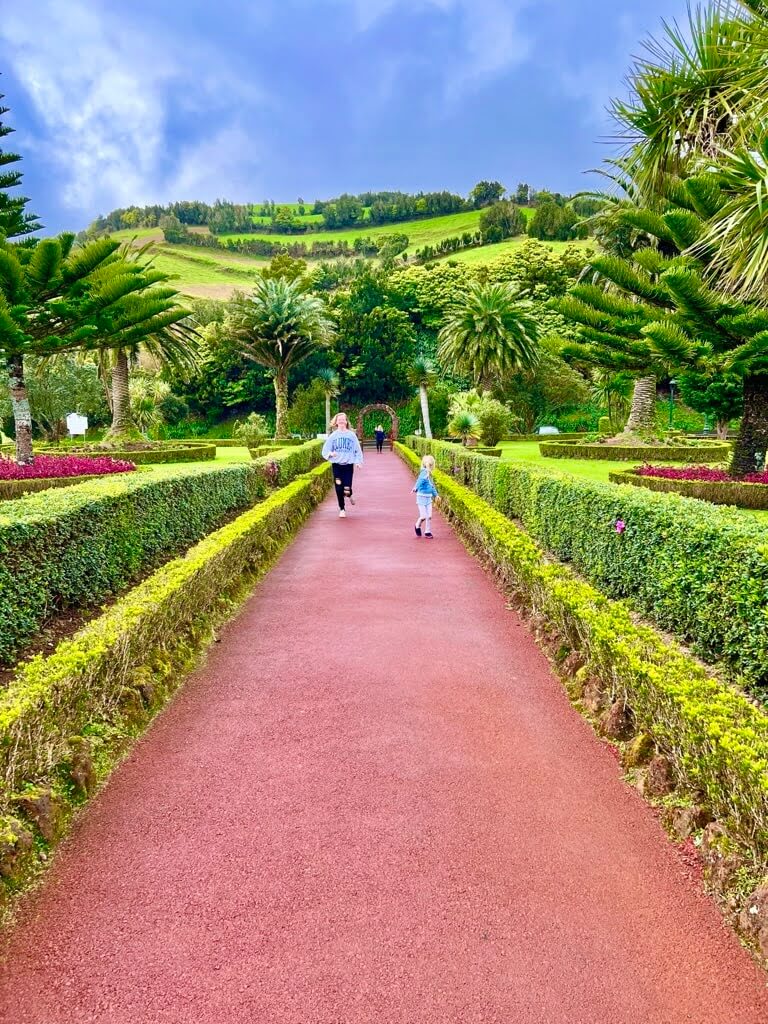
Parks. Another consideration for those of us traveling with young children are places to let them run. Parks are an important part of family travel. Asia had some really good parks! Bali didn’t really have any, but they do have beaches. Thailand has some, both in Bangkok and Chiang Mai. Our hotel in Vietnam had a great playground and China probably has some, but we were on a tour all the time. Some of our favorite parks were in Japan. Amazing parks and so plentiful. We appreciated having playgrounds close to several places where we stayed. Europe has been hit and miss, but they have not been plentiful. We didn’t really find any in Portugal (and I spent some good time looking). Rome has had a few, but they are not plentiful. So far, Europe takes a bit of planning to find a park, if they are available in your area at all.
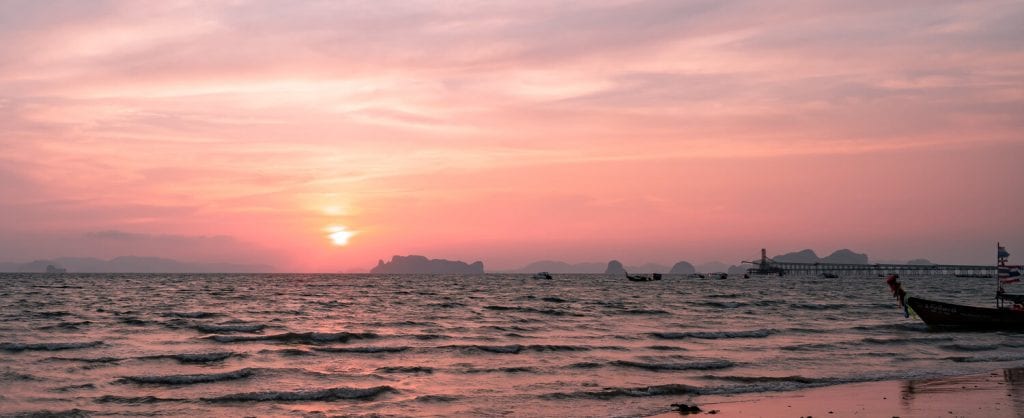
Beaches: Asia has some fabulous beaches. Some of the most beautiful in the world. They also tend to come with some serious trash. Conditions varied by the beach we visited. You’d be shocked by the beach and ocean trash that exists in SE Asia. The European beaches we had visited at that point seemed cleaner to us. We’ve been to a few public beaches and they are pretty clear of trash. Seeing rubbish in the water was upsetting. I cannot explain the causes from our visits alone, but the contrast was part of what we noticed.
Clothing: Surprisingly, this varies a lot less than you might think. Fashion can have it’s extremes anywhere, but it’s so much less than I expected. Temperature dictates a lot more, but really only Thailand and Bali had more traditional clothing. It’s about the same everywhere else. I feel like I see the same clothing stores in malls around the world.
Hopefully this gives you some good ideas if you are considering international family travel soon! Every place comes with quirks and bonuses. No where is perfect either. In the end, enjoy the culture and learning experience!
XOXO,
Leslie
Get your family’s travel insurance from World Nomads
Want to have a photo shoot while traveling? Check out flytographer!
Capture your best family memories while traveling with a GoPro, Sony camera, or our favorite drones: DJI FPV, Air, and Mini
Check out other travel necessities from a comprehensive list of all the 7Wayfinders Travel Must-Haves. Click Here!












 Facebook
 Pinterest
 Youtube
4 Comments