

First published May 1, 2020. for historical context and food-handling guidance. The family story and Jen’s recipe below are retained from the original post.
Come travel to where we are right now: New Zealand! We are actually isolating here during COVID-19 and stuck in a little community on the North Island at the moment, but we were lucky enough to visit the South Island. There we hooked up with the Backyard Travel Family. They are such a gem to meet and be with. I absolutely love Jen! She is a true expert on family travel in NZ, especially on the South Island. Be sure to check out her awesome site when planning a visit here (someday when we can all travel again….).
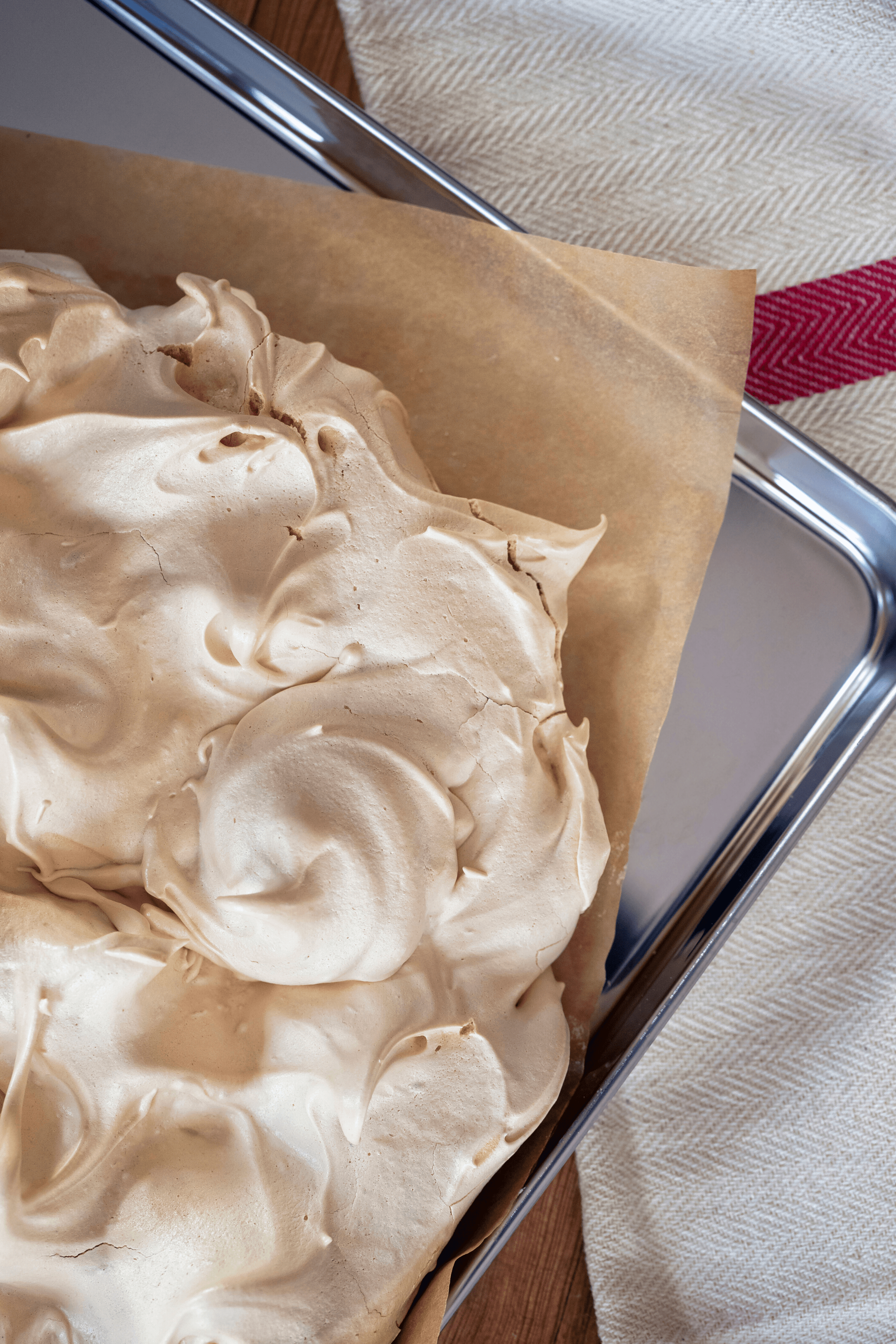
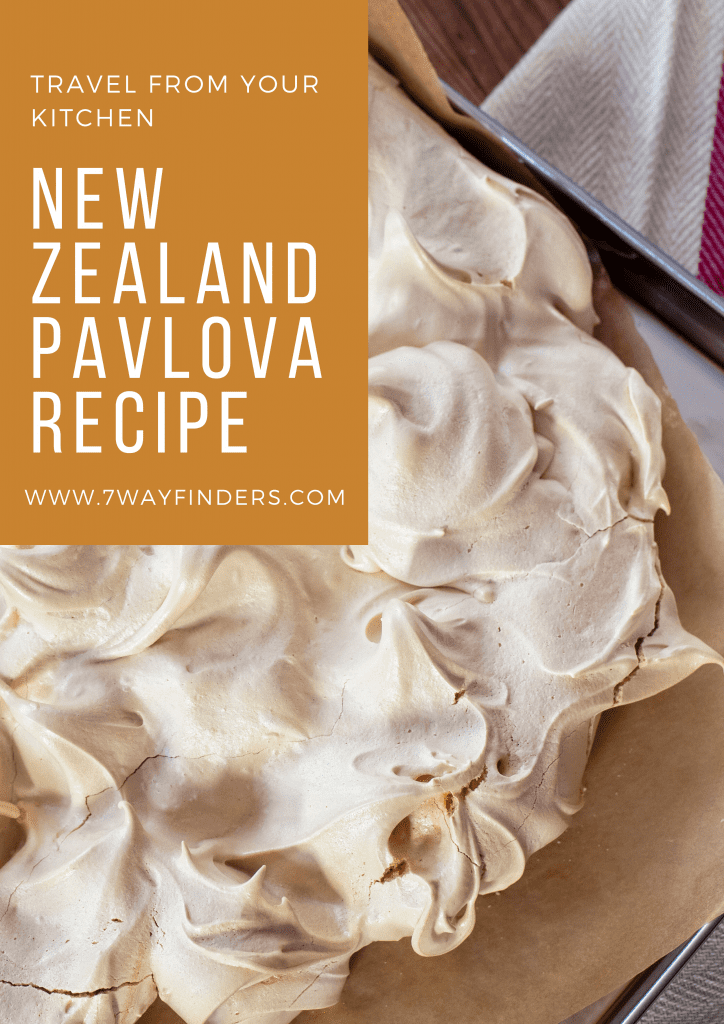
Jen introduced me to Pavlova, which I am not totally smitten with. It’s gluten-free, first of all, which is ALWAYS a win! It’s essentailly the same ingredients as marshmallows or meringue. The texture melts in your mouth and can be a a bit spongy in the middle. To me, it’s kind of like a baked pudding, but super light and fluffy.
Ingredient labels and kitchen practices matter: check packaged ingredients and prevent cross-contact if preparing this for someone who needs to avoid gluten. The original gluten-free comment reflects the author’s enthusiasm, not a guarantee for every product or kitchen.
Pavlova is associated with both New Zealand and Australia, and its origins remain debated. Te Ara’s account notes contributions from both countries and reports that the earliest known recipe for Pavlova as a meringue cake appeared in a 1929 New Zealand publication. The historical account quoted in the original post below is retained as an attributed source, not presented here as settled history.
The original post also shared this historical description from this website (Once Upon a Chef): Created by a hotel chef in the 1920s in honor of the Russian ballet dancer Anna Pavlova during one of her tours to Australia or New Zealand, a pavlova is a cake-shaped meringue with a soft and marshmallowy center and crisp outer shell, usually topped with whipped cream and fresh fruit. That account is retained as an attributed historical source; the origin remains disputed.
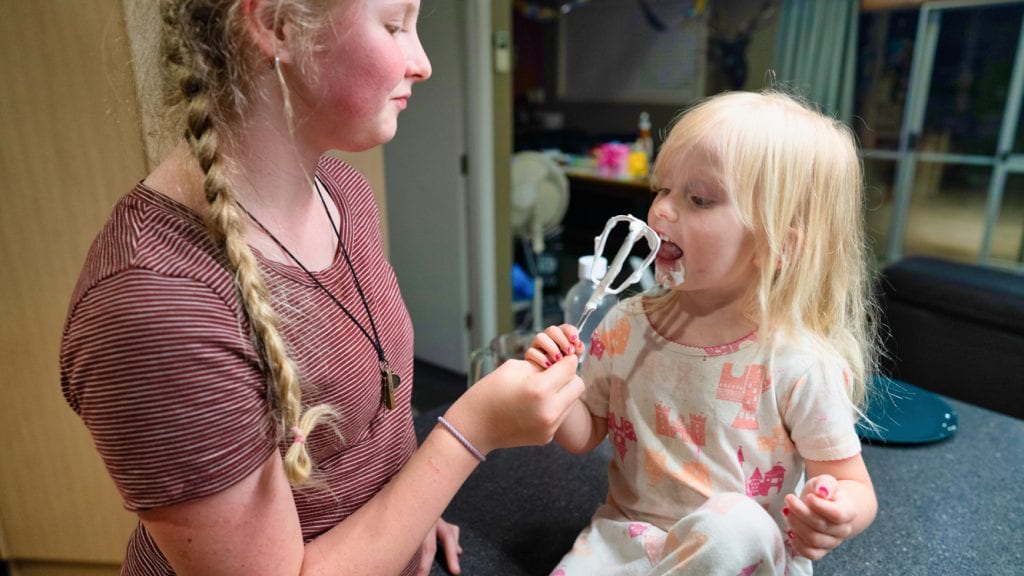
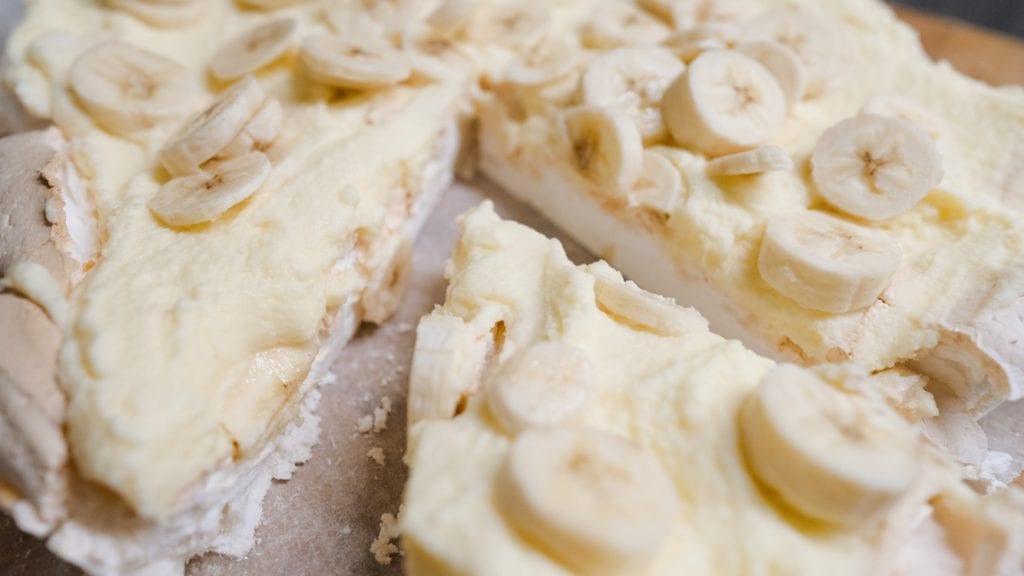
Typically it is topped with sweentened whipped cream and fresh fuit, adding to it’s fresh and light feel.
Jen was kind enough to share her recipe with me. Thanks Jen!!
This note updates the older raw-batter tasting and room-temperature storage comments below. Do not taste uncooked batter containing raw egg. FDA egg-safety guidance recommends pasteurized eggs or egg products for dishes served raw or undercooked; the recipe’s stated oven temperature and bake time have not been independently validated here as a food-safety endpoint. FDA storage guidance advises refrigerating perishable foods at 4°C/40°F or below within 2 hours (within 1 hour if the room is above 32°C/90°F). Apply this to the dessert once topped with whipped cream or fresh-cut fruit. The older two-day counter-storage comment is not a safety recommendation for a cream- or fruit-topped dessert, and this update does not establish that the plain shell is safe at room temperature for two days.
Serves 4-6
I automatically doubled this. You can always half it again, but I recommend doubling.
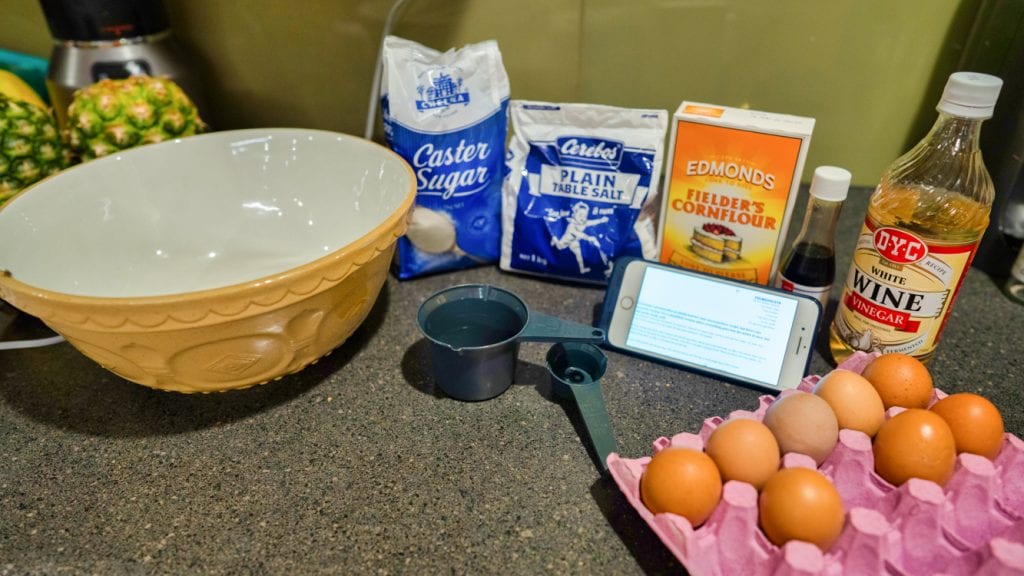
2 cups caster sugar. This is just super find sugar, which we don’t really have in the US. I suppose look for fine sugar or go with regular.
4 tsp corn starch
1/2 tsp salt
2 tsp wine vinegar. I used white wine vinegar
1 tsp vanilla. I used the regular imitation vanilla
1 cup egg whites. For me this was 6 large eggs.
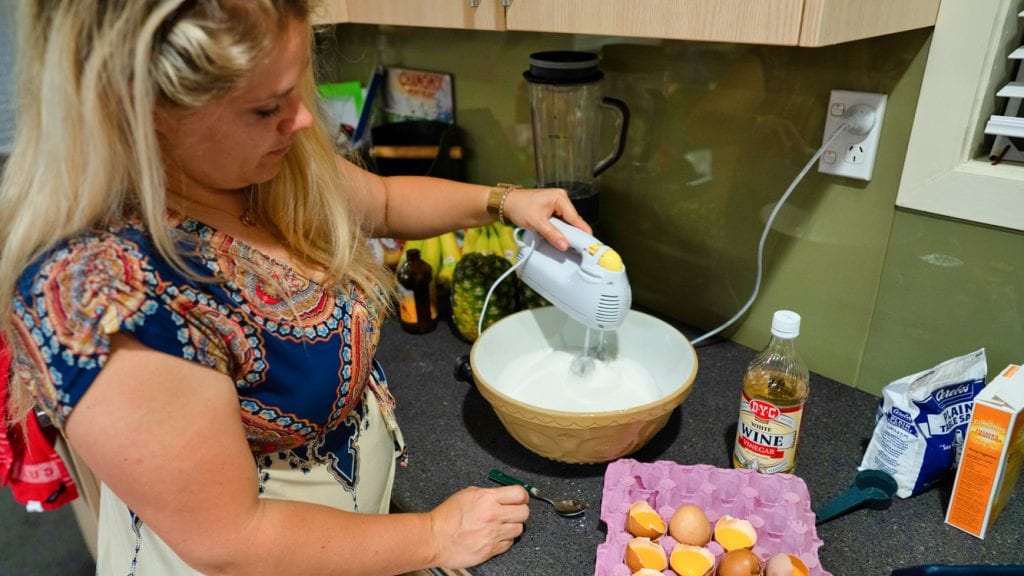
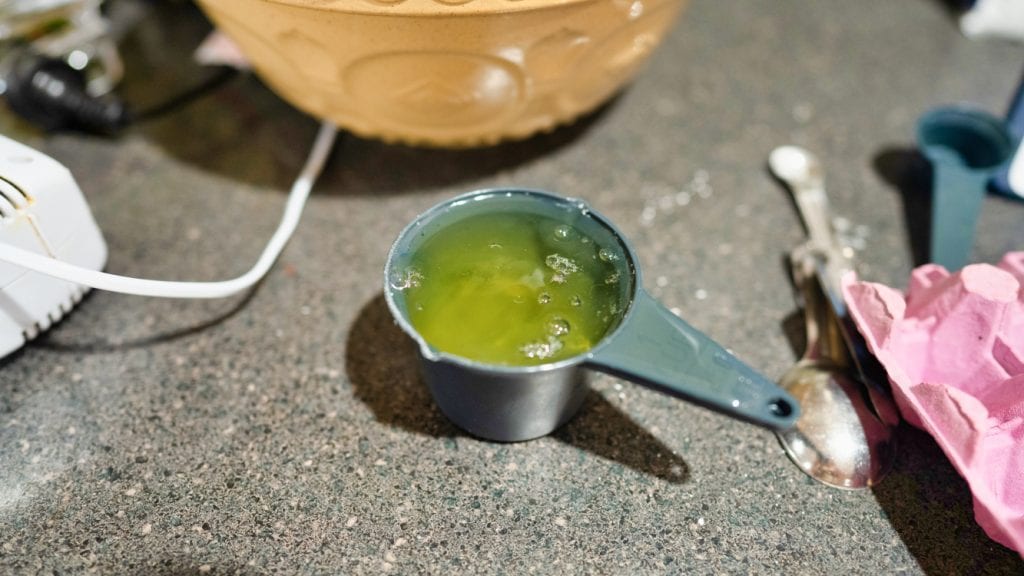
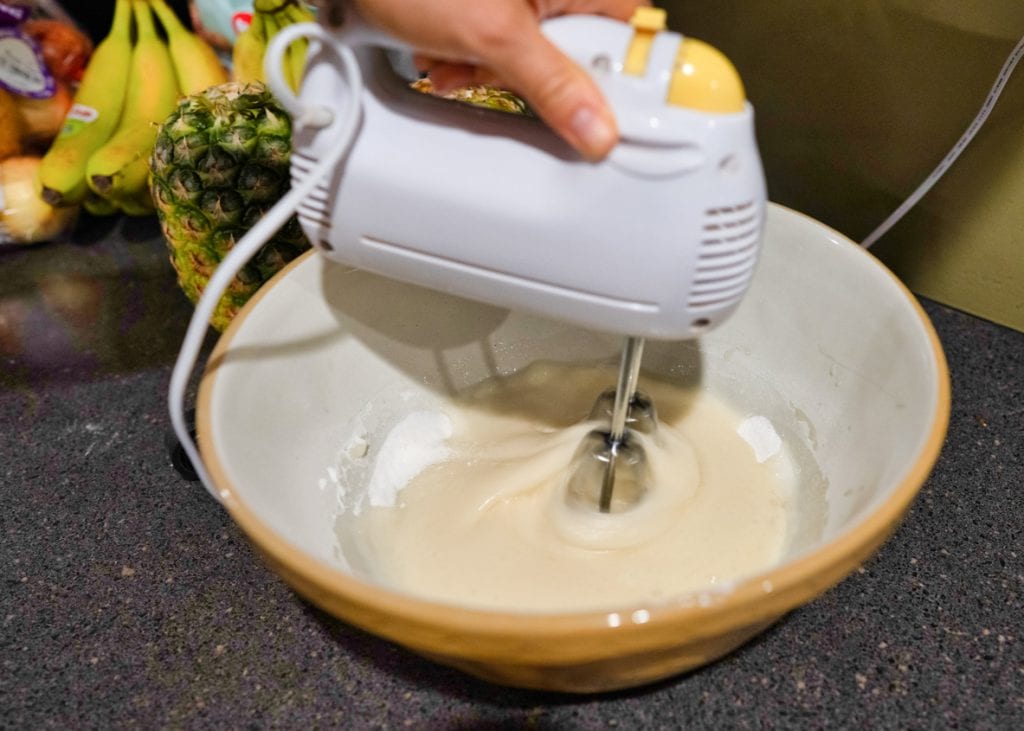
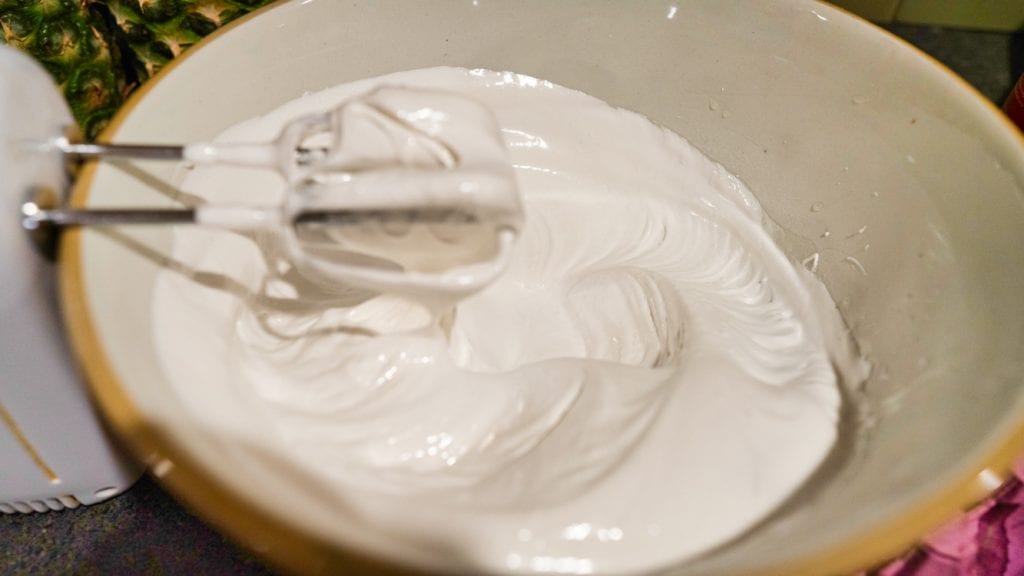
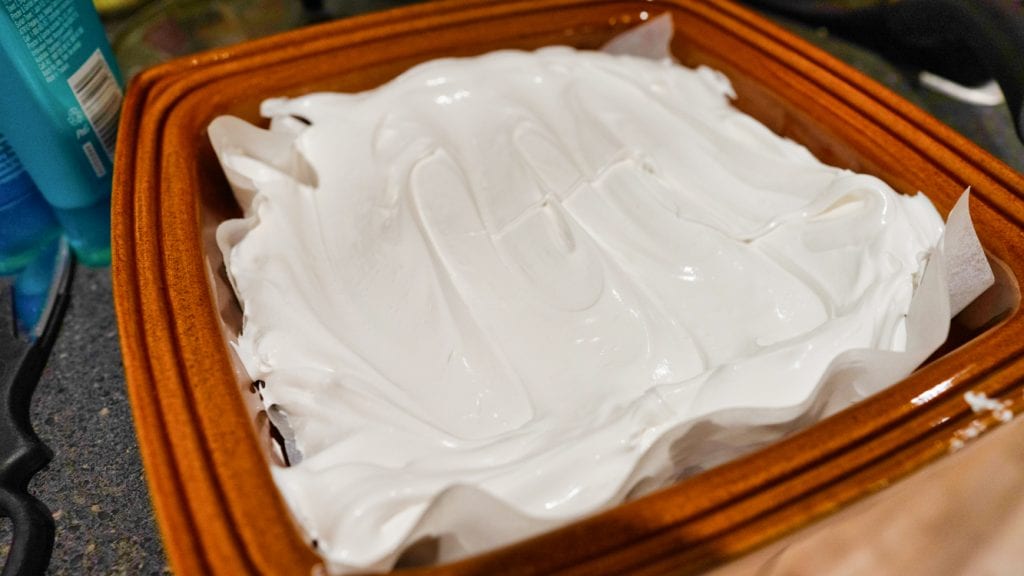
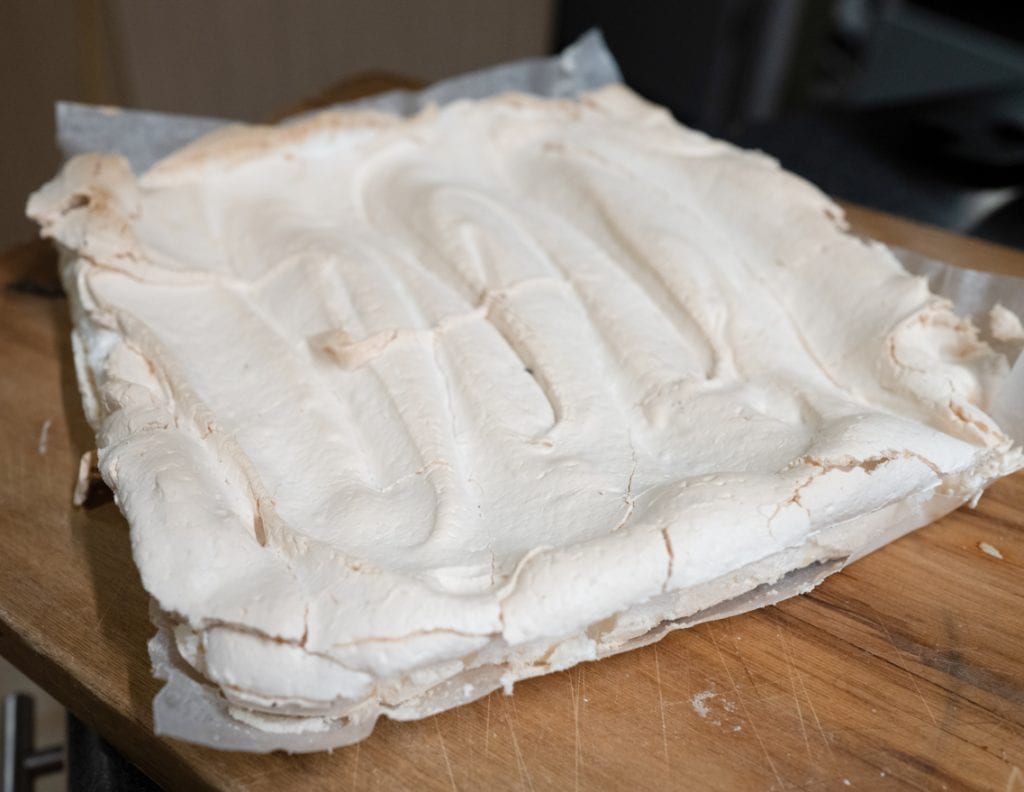
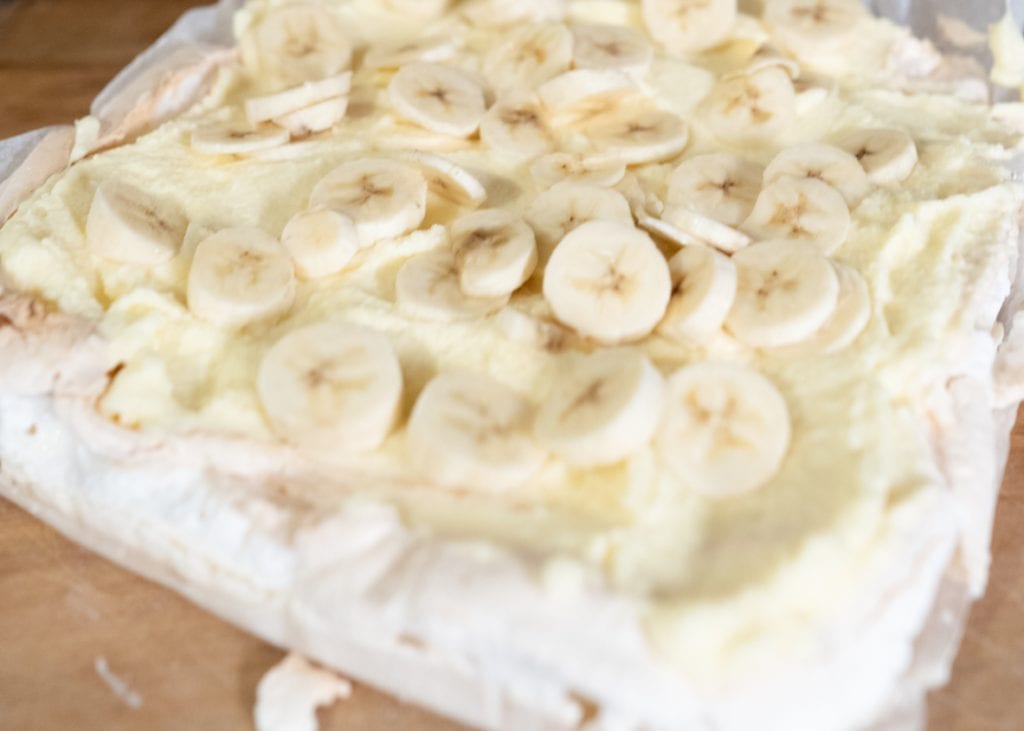
Not sure how to make whipped cream? It’s easy! Buy heavy whipping cream, add 1 cup to a mixing bowl and add some powdered sugar (start with may 1/8 – 1/4 cup, mix and taste to see if it is sweet enough for you. Adjust as needed). Plan for the amount to double or more! Mix on high speed again (10-15 min) until you have whipped cream!
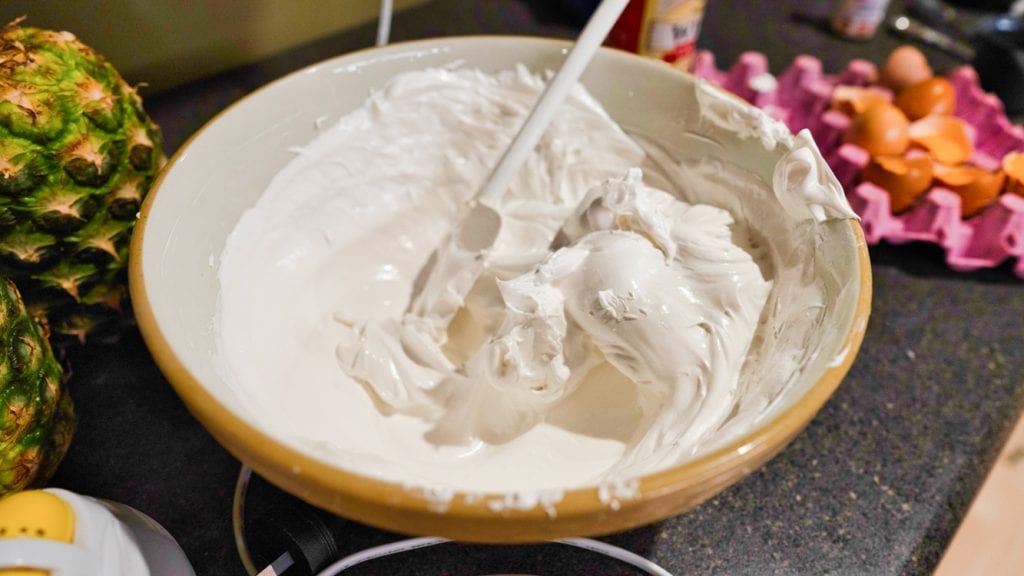
Related video: French macarons (this is not a Pavlova tutorial).
Chris doesn’t like this texture, but the rest of us love this dessert! A friend sent me this recipe to try next time, which is half vanilla and half chocolate, so I’ll try to update when we give it a go!
Tag me @7wayfinders when you try this recipe! I’d love to see your creations!
Leslie








 Facebook
 Pinterest
 Youtube
When we first arrived at our new home in greymouth, NZ, our new neighbor, 90 yrs old brought over a pav. We were hooked. She made us one every week for most of the three years we lived there. It was a hoot. I never had to make one!❤️❤️❤️
I’m hooked too! Especially to the chocolate version!
When we first arrived at our new home in greymouth, NZ, our new neighbor, 90 yrs old brought over a pav. We were hooked. She made us one every week for most of the three years we lived there. It was a hoot. I never had to make one!❤️❤️❤️
I’m hooked too! Especially to the chocolate version!
When we first arrived at our new home in greymouth, NZ, our new neighbor, 90 yrs old brought over a pav. We were hooked. She made us one every week for most of the three years we lived there. It was a hoot. I never had to make one!❤️❤️❤️
I’m hooked too! Especially to the chocolate version!
When we first arrived at our new home in greymouth, NZ, our new neighbor, 90 yrs old brought over a pav. We were hooked. She made us one every week for most of the three years we lived there. It was a hoot. I never had to make one!❤️❤️❤️
I’m hooked too! Especially to the chocolate version!
I have made many many pavs over my 59 years of married life and with experience have found if you over beat the egg whites you finish up knocking the air our of it.Start beating the whites on a medium speed (I use an electric hand beater,find the results much better) and when just stiff start adding the sugar and beat abit faster but certainly not for 15 minutes.My pavs rise to around 5 inches high and marshmallow centre.I heat oven to 120 Celsius then turn down to 100 Celsius for around 90 minutes.Turn off ,prop oven door open and leave in oven until cold.
I have made many many pavs over my 59 years of married life and with experience have found if you over beat the egg whites you finish up knocking the air our of it.Start beating the whites on a medium speed (I use an electric hand beater,find the results much better) and when just stiff start adding the sugar and beat abit faster but certainly not for 15 minutes.My pavs rise to around 5 inches high and marshmallow centre.I heat oven to 120 Celsius then turn down to 100 Celsius for around 90 minutes.Turn off ,prop oven door open and leave in oven until cold.
I have made many many pavs over my 59 years of married life and with experience have found if you over beat the egg whites you finish up knocking the air our of it.Start beating the whites on a medium speed (I use an electric hand beater,find the results much better) and when just stiff start adding the sugar and beat abit faster but certainly not for 15 minutes.My pavs rise to around 5 inches high and marshmallow centre.I heat oven to 120 Celsius then turn down to 100 Celsius for around 90 minutes.Turn off ,prop oven door open and leave in oven until cold.
I have made many many pavs over my 59 years of married life and with experience have found if you over beat the egg whites you finish up knocking the air our of it.Start beating the whites on a medium speed (I use an electric hand beater,find the results much better) and when just stiff start adding the sugar and beat abit faster but certainly not for 15 minutes.My pavs rise to around 5 inches high and marshmallow centre.I heat oven to 120 Celsius then turn down to 100 Celsius for around 90 minutes.Turn off ,prop oven door open and leave in oven until cold.