Last updated: . Updated medicine and supplement safety context, clarified the limits of personal experience, and qualified the earlier family packing list. Date information added October 31, 2026.
Our earlier family packing list, with safety context checked in October 2026. Originally published April 14, 2019, this post preserves our travel experiences and products we carried. It is not a current prescription, dosing guide or recommendation to buy the whole list. Product links are retained from the original article; formulations, availability and suitability can change.
Build a kit around your family, destination and access to care. The CDC travel-health kit checklist recommends personalizing supplies; ask a healthcare professional what belongs in yours. Check destination medication restrictions and documentation before departure, including transit countries. Keep medicine labels and individual instructions with the products, and keep supplies safely away from children.
For children, review the exact product, strength, age and weight instructions with a pediatrician or pharmacist. FDA guidance warns against adult cold products for children and overlapping active ingredients. Use the correct measuring device for liquids. Antibiotics need appropriate, individual instructions; do not share them or save them for a future illness. Plan where to get care before anyone is sick.
For diarrhea, CDC’s child-travel guidance emphasizes hydration and knowing when to seek care. Ask about oral rehydration supplies and a child-specific plan. Persistent vomiting, bloody diarrhea or dehydration needs medical attention rather than another item from a packing list.
This is a look back at what we packed, not a medicine list for every family. Local supplies, brands and access to care vary. Planning ahead helped me feel prepared, but a bag of products cannot replace medical care. I also included a couple of necessary toiletries.
I hate trying to find something in a pinch when I am stressed, in the middle of the night, etc. I’m this way at home, so add in the language barrier and unfamiliarity of a new place, and I want to just have it on hand for myself.
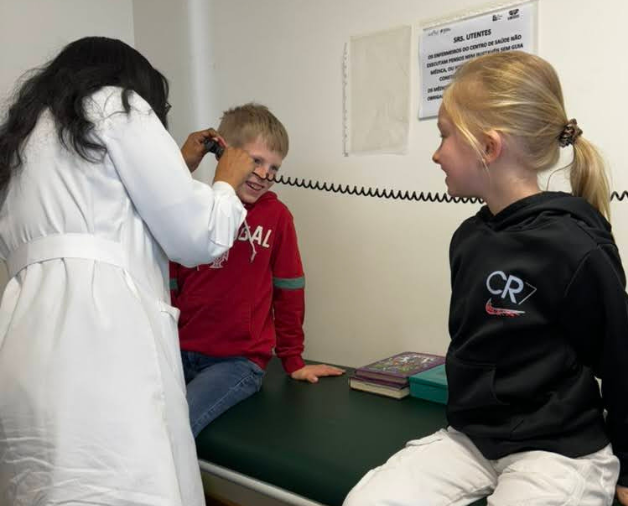
When our kids were little, we dealt with colds, ear infections, cuts and scrapes often. I didn’t want to spend an hour or two finding a pharmacy when a child felt miserable. Knowing where to seek care is part of preparing, too.
While you can find lots of things, you can’t always find what you want exactly. I sometimes couldn’t find a familiar brand or read the local label, and the taste or formulation could differ. A pharmacist can help check the actual ingredients; unfamiliar packaging does not by itself mean a product is less effective. I firmly believe that we can be fine without all these options, and I have seen medical care in another country that went beautifully. But, for me, there are a few items I want to carry that are name-brand from the US.
I’d pared WAY down on this bag by the time I wrote this list. These were our family’s choices at the time, rather than current recommendations to buy every item. Many are going to think this is still way too much, but packing is about figuring out what is most important to you. I’m just giving you some seeds to start brainstorming on.
Children’s Motrin. We carried this for the kids when they were younger. With several children sick, supplies could run down quickly; bottle use is not a dosing guide. Ask a pediatrician or pharmacist which formulation is suitable, and follow the child’s weight, age and the product instructions.
Chewable Tylenol. I like having an option that is chewable to both mix it up and be able to take on the go without water. That convenience does not make every chewable suitable for every age. Check the strength and instructions with your child’s clinician; avoid duplicate acetaminophen in other products.
Dayquil/Nightquil. Chris and I liked having familiar adult cold products when we were sick. That was our shopping experience, not a claim that equivalents are unavailable. Check ingredients and interactions with a pharmacist, especially before combining cold, pain or sleep products. Adult medicines are not a child’s travel remedy.
Neosporin. We used to carry this for cuts. The old suggestion to try it first for a suspected infection or an unexplained skin problem was too broad. Ask a clinician about an infected or worsening wound instead of treating it from this list.
Bandaids. So many bandaids in my family. It goes a long way when you are hurt to have a character bandaid, am I right?! I’ve learned to just carry these on all our outings, along with the chewable Tylenol.
Betadine. This was another item in our old bag. Ask a pharmacist which wound-cleaning supplies are appropriate and follow that product’s instructions; it is not a general treatment for unexplained skin problems.
Antibiotic powder. This was in the older kit, too. It is not an automatic next step when a wound looks worse. Use antibiotic products only for the right condition and as directed by a healthcare professional.
Dramamine. We found this useful for children prone to car sickness on winding, bumpy routes, and liked the convenience of a chewable. Products and age limits differ, so ask your child’s clinician what is suitable. Our car-sickness experience is not advice to use it for other kinds of vomiting.
Cuticle clippers. We carried these as a grooming tool. For first-aid tools such as tweezers, see the travel-health kit checklist linked above rather than improvising with cuticle clippers.
Ciprodex. This was unique to our family and required a prescription. We dealt with A LOT of ear tubes and ear infections; I think my youngest three had over eight sets between them. We funded some nice things for the ENT! I was worried before traveling, and a kind ENT in California sent us off internationally with three prescriptions and an individual treatment plan. We felt reassured by that support. That past plan is not permission for readers to self-diagnose or start ear drops: ask the child’s prescriber for current written instructions about when to use them and when to seek care. The earlier claim that the drops “open” ear tubes was not a reliable general explanation.
Dia-res-Q. We had not needed this when I wrote the list, so this is not a firsthand effectiveness review. For a child with diarrhea, discuss a hydration and care plan with their clinician; do not rely on a product endorsement.
Advil. We packed regular and PM versions at the time. They are different products; a pharmacist should check ingredients, suitability and interactions rather than treating them as interchangeable.
Melatonin. We previously used this around travel-related sleep disruptions. The old fractions-of-a-tablet description is not a safe dosing guide and has been removed. AAP guidance on children and melatonin recommends a cautious decision with the pediatrician, including dose and timing. Do not use this packing list to decide to give a child a sleep aid.
Tampons. On our earlier Southeast Asia travels, I had trouble finding the products I preferred. A blog had prompted me to pack them, and I had visitors replenish my stock. That was a personal shopping experience, not a claim that tampons are unavailable or that diapers and wipes across the region are lower quality. Availability varies by location.
Deodorant. I haven’t had much luck finding a good deodorant/antiperspirant so far. I don’t do a ton of shopping, so I could probably find it if I tried harder. However, I’m just bringing my own. We sweat A LOT. We didn’t use to even use this at home except for some summer weeks, but it’s a constant for us now that we need some good deodorant.
We also lugged around vitamins and supplements. The list below records what we tried; it does not establish that they prevented illness or that another family needs them. NIH’s review of cold supplements explains that evidence and risks differ by product. Discuss supplements and overlapping ingredients with a healthcare professional, especially for children.
Airborne. We liked the gummies during tiring travel days and when sniffles started. We hoped they helped, but our experience cannot show that they prevented colds or more serious illness.
Elderberry gummies. We were trying these when the list was written. That does not establish a health benefit or suitability for children.
Zicam. We used this at the time, but cannot claim from our experience that it prevents a cold from worsening. Formulations differ; review the exact product and risks with a pharmacist.
Multivitamin gummies were in the children’s kit, and I alternated them with Catalyn at the time. That was our routine, not an instruction to alternate or combine supplements.
Catalyn Multivitamin. A doctor in Honolulu introduced me to this, and I liked it. This is a past personal preference, not an independent assessment of purity, quality or benefit.
Probiotic Gummies. I hoped these helped during less-than-ideal food situations, but that does not demonstrate protection from foodborne illness. We liked a form the kids would take without refrigeration; check the exact product’s storage instructions. Safe food and water precautions still matter.
Fish Oil. My doctor discussed this with me after I had a baby and was worried about baby blues. That personal conversation is not evidence that this product treats depression. Discuss mood symptoms with a qualified clinician rather than relying on a travel supplement list.
Vitamin D. Chris felt much better and said he needed less sleep when he kept up with vitamin D. That is his reported experience, not proof of cause or a recommendation to reduce sleep or start a supplement. Ask a clinician about individual need.
*Disclaimer: This post may contain affiliate links. Opinions shared are my own, and I only endorse products I support. By clicking on any of the links below, I may get a small commission if you purchase at absolutely no additional charge to you. I appreciate your support.*
This is a lot of stuff and you have to decide what is important to you. All of this could take half a checked bag, which was a lot. Essential medicines need their own accessible packing plan; don’t treat that old luggage anecdote as instructions to check them. However, for my own comfort and sanity, we were bringing all this with us when this list was written. Thankfully we have a lot of kids and airplane tickets to go with checked bags 🙂
Comment below if you think of something that you might have to bring in your own DIY first-aid kit!













 Facebook
 Pinterest
 Youtube
4 Comments