How To Choose a Destination When Traveling Abroad With Kids
How To Choose a Destination When Traveling Abroad With Kids
Last updated: . This update clarifies selected destination-safety, health-planning, and sleep guidance; the family’s travel experiences remain historical. Date information added October 28, 2026.
A family travel guide first published November 17, 2023. The nearly 50-country milestone, personal experiences, and family photos below describe that stage of our travels. Use the destination ideas as a starting point for your own research, then check current official guidance, entry requirements, health needs, and activity details for your itinerary.
*Disclaimer: This post may contain affiliate links. Opinions shared are my own, and I only endorse products I support. By clicking on any of the links below, I may get a small commission if you purchase at absolutely no additional charge to you. I appreciate your support.*
Where to next? Planning your next family trip can be overwhelming at times. Not only do you have to figure out where you’re going, but you also have to plan what and where to eat, what to pack, and possibly most important of all, what will keep the kids interested and engaged during your travels. I won’t lie; it’s a lot!
I wish I could say there’s a special trick to picking destinations or that after visiting nearly 50 countries as a family, we have a secret formula. We don’t. We are often planning travel based on recommendations we hear or even something we see on social media! While there is no magical formula to picking the perfect new place to visit, there are plenty of things to consider in family travel planning.
Choosing the right destination requires careful consideration to ensure a smooth and enjoyable trip for everyone. Here are some of the factors you need to consider:
1. Safety
Before choosing a destination, review current official guidance for your citizenship and itinerary. For U.S. travelers, the US Department of State publishes destination-specific advisories and entry guidance. Conditions can vary within a country and change over time, so check local laws, health guidance, transportation, and the needs of your family instead of relying on a general safety label.
Kids love European Christmas Markets
2. Age-Appropriate Activities
When comparing destinations, look for activities that fit your children’s ages, interests, energy, and accessibility needs. A mix of indoor and outdoor options can give your family choices if plans or conditions change. Check age limits, opening details, and access information with the attraction before you go.
Fun family holiday at Torre De Gomariz in Braga
3. Family-Friendly Accommodations
When comparing accommodations, look at the room layout, sleeping arrangements, and amenities your family would use. Cribs, extra beds, pools, playgrounds, childproofing, childcare, restrooms, dining, and stroller access vary by property and destination, so confirm the details directly before booking.
4. Weather
Checking the clouds at the Top Of Europe
It’s always worthwhile to check the typical seasonal weather at any destination you are considering. Extreme temperatures, heavy rainfall, or high humidity levels can affect your family’s comfort and enjoyment on your trip. Find a destination with a climate that suits your preferences and where outdoor activities are possible during your visit. It pays to be mindful of peak tourist seasons, as they can result in crowded attractions and higher prices. If you’d rather visit a destination when it is less busy, consider shoulder seasons when crowds and prices may differ; check typical weather, current forecasts, and seasonal closures for the exact destination.
5. Distance and Travel Duration
Up for another adventure!
Long-haul flights or jam-packed travel itineraries may not be suitable for younger children or those who have difficulty with extended periods of travel. See my post on hot tips for buying international flights for your family. Consider destinations that are easily accessible with shorter flight times, direct flights, or manageable layovers. Minimizing travel fatigue will allow your family to make the most of your time at the destination.
6. Cultural Sensitivity and Familiarity
Choosing what to eat for lunch can be tricky with kids. Make sure there are options your kids will like.
When traveling abroad, cultural differences may affect expectations around dress, food, and interaction. Learn about local customs and expectations from reliable sources, and prepare children for differences in language, dress, food, and interaction. Customs vary by place and situation, so avoid assuming one description applies to everyone. Learning simple greetings and words such as please and thank you can be a helpful start. I also like a balance of new experiences and familiar comforts for the kids.
7. Budget
Some countries or cities may be more budget-friendly than others, both in terms of accommodations and dining options. Consider the cost of attractions, transportation, and any additional expenses, such as visas or travel insurance. I like to do some basic research and make a simple budget of everything we expect to pay for, then add on 20-30% for unexpected costs. If this is breaking the bank, keep researching. You can find something better or wait a bit longer to take this vacation.
Colorful houses in Bergen, Norway. We felt like we were in the movie Frozen!
Places to Consider When Planning an International Family Trip
These are examples from our travel guides and family experiences, not a current safety ranking or guarantee. Use them as trip-planning ideas, then check current official guidance for the places and activities on your itinerary.
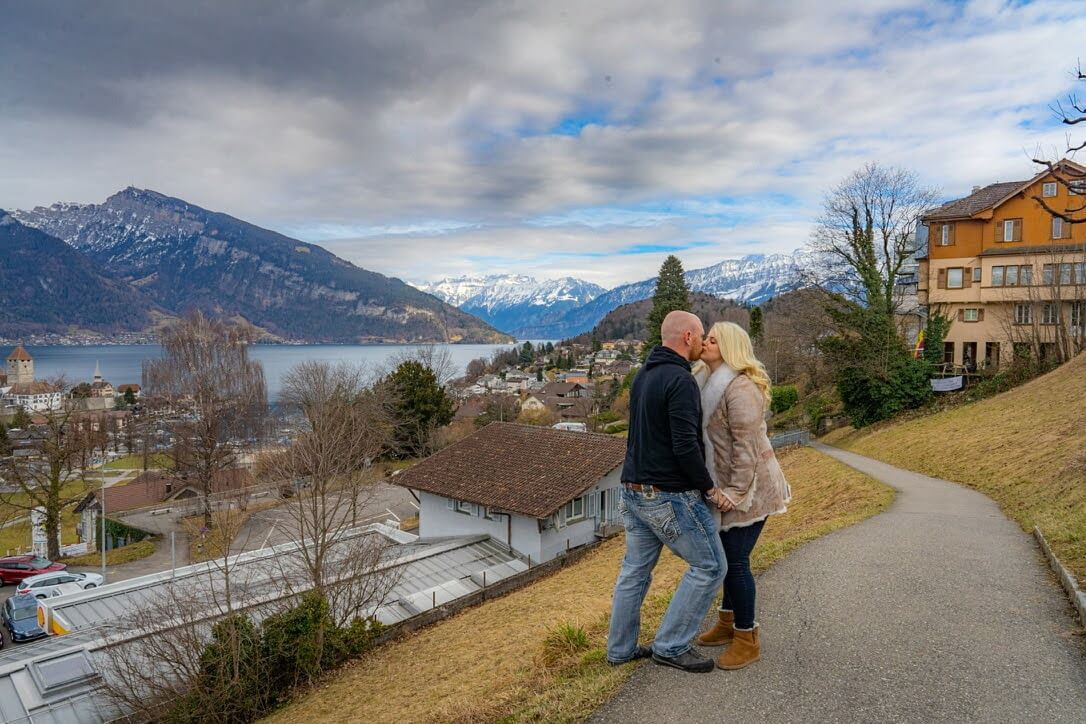
Switzerland: When we visited, we enjoyed the famous ski resorts and hiking trails and landscapes. We used trains to travel between places, and they always ran flawlessly for us on those visits. Our kids loved the Swiss trains! Check current routes and schedules when planning your trip.
Canada: If Canada is on your list, research the regions and activities that fit your family; Niagara Falls and Banff are two places mentioned in this guide.
Australia: Families considering Australia can compare regions, beaches, wildlife experiences, seasons, and travel distances to find a trip that suits them.
Japan: Families interested in anime, cherry blossoms, or Mt. Fuji can use those interests as a starting point for researching regions, seasons, and transportation for their own itinerary.
Denmark: Tivoli Gardens, Legoland, and museums may be options to compare when planning activities; check current opening and age information with each venue.
Netherlands: Families interested in cycling, tulip fields, or cities such as Amsterdam can compare routes, seasons, and activities for their own trip.
Singapore: Our Singapore travel guide shares family experiences and ideas for researching activities, transportation, and practical details for your visit.
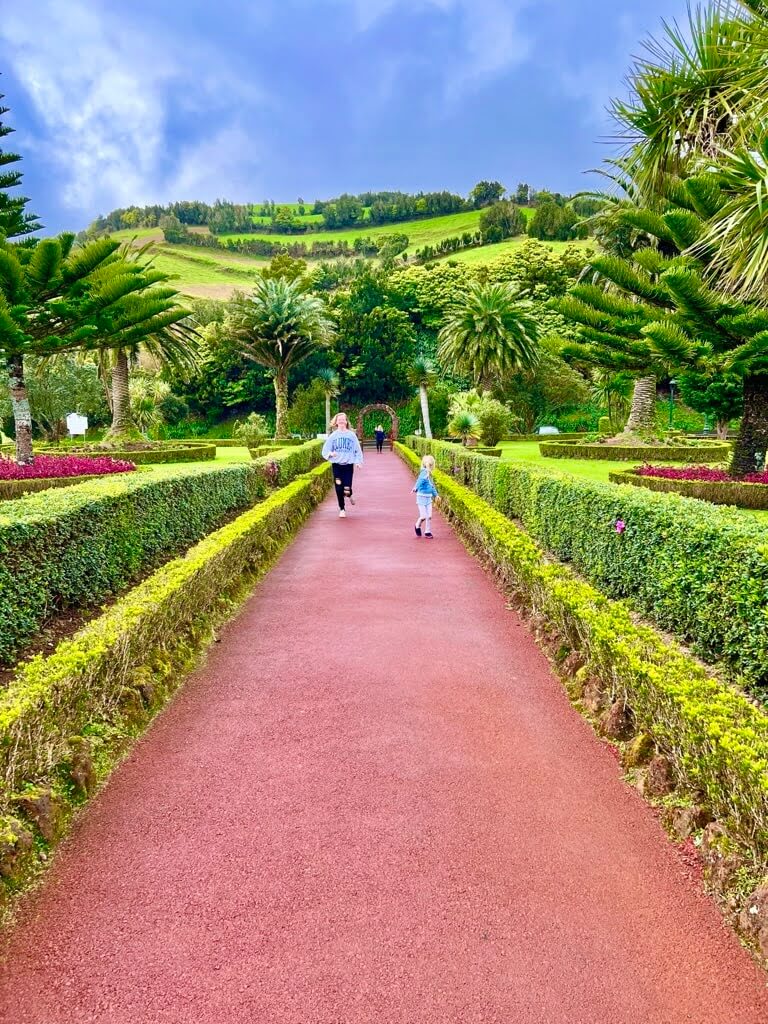
Azores, Portugal with kids
Most Difficult Things About Traveling Internationally With Kids
Knowing the challenges you might face while traveling with kids can help you prepare and stay calm when an unexpected event happens.
Jet lag – Adjusting to time zones can disrupt sleep and leave family members tired. We have given our kids melatonin while traveling; discuss melatonin or other sleep aids with your child’s healthcare professional before use. Healthy sleep routines matter, and our family’s past use is not a recommendation for every child. You can also read my tips for dealing with jet lag and kids.
Long flights – International flights can be lengthy, especially if traveling long distances. Keeping children entertained and occupied during the flight can be a struggle. They may get restless, bored, or uncomfortable, making the journey more challenging for everyone. I usually bring our children a busy board, books, and tablets to help them stay busy.
Language barriers – Communicating in a foreign country where you don’t speak the local language can be daunting, especially when trying to meet your children’s needs. Simple tasks like ordering food, asking for directions, or seeking medical assistance can become more complicated. It’s helpful to have a few basic phrases or a translation app to overcome this barrier.
Medical care – access to medical care and medication may differ from what you’re accustomed to. Before traveling, review destination-specific health information and discuss your itinerary, health needs, and medicines with a qualified healthcare professional. Pack required prescriptions and supplies, and check any destination rules for carrying medicines. Items such as children’s pain relievers, children’s allergy medicine, and bandages may be useful for your family when appropriate. Travel insurance terms and medical coverage vary, so read the policy details.
Logistics and planning – When planning your daily activities, we have found it beneficial to build in daily activities and breaks that cater to children’s interests and energy levels. Involve them in planning to boost more excitement! And don’t underestimate the power of a quick break at your hotel or a stop at a playground.
What To Pack For Your First International Trip With Kids
Packing can be the most overwhelming part of your preparation when traveling with kids! Here’s a list to help you:
Travel documents: Passports for everyone traveling, visas if required, identification cards, and any other necessary travel documents.
Clothing: Pack a sufficient amount of clothing for each child, considering the climate and activities at your destination. Include comfortable outfits, underwear, socks, pajamas, and outerwear. Don’t forget your swimwear if you’ll be near the water. Check out our favorite bag! And a couple of extra outfits or a plan to do a load of laundry mid-trip never hurt.
Toiletries: Bring toiletries such as toothbrushes, toothpaste, shampoo, conditioner, soap, and any other personal care items your children use. Consider travel-sized options or transfer your regular toiletries into travel containers to save space.
Medications and first aid: Plan medicines and supplies with your child’s healthcare professional, check rules for carrying them, and pack a basic first aid kit. Include band-aids, antiseptic ointment, a thermometer, and any specific medications your children might need.
Snacks and drinks: Carry a variety of snacks that your children enjoy, especially for long flights or road trips. You may even want to pack snacks in your checked bag to have on-hand in your hotel room. Bring refillable water bottles to stay hydrated throughout the journey.
Travel accessories: Consider bringing a lightweight stroller or carrier, especially if your child is too young to walk long distances. A baby monitor can be useful if you’re staying in accommodations with separate rooms. Don’t forget travel adapters for charging devices.
Comfort items: Pack any comfort items your children rely on, such as a favorite stuffed animal, blanket, or pacifier, to help them feel secure and at ease during the journey.
Travel insurance: Consider whether travel insurance fits your trip. Coverage, exclusions, and eligibility vary by policy, so read the terms and confirm that every traveler and planned activity is covered.
Travel snacks and meals: If you anticipate difficulty finding suitable food for your children at your destination, consider non-perishable snacks or pre-packaged meals, checking airline and destination food-import rules before packing them.
Miscellaneous items: Don’t forget essentials like sunscreen, insect repellent, a lightweight umbrella, a travel-sized laundry detergent, a travel pillow or blanket, and any specific items your children might need, such as bottles or pacifiers.
Heading home from Brazil
What To Avoid When Traveling Abroad With Kids
Here are some of the essential things you should avoid to ensure a smoother and safer experience for your family while traveling abroad:
Overpacking – Avoid bringing too many unnecessary items that can weigh you down and make it difficult to manage your luggage, especially when you have to keep an eye on your children. Pack strategically and prioritize essential items.
Ignoring safety precautions: Don’t overlook basic safety precautions while traveling. Keep a close eye on your children at all times, especially in crowded places. Teach them about stranger danger and establish rules for staying together. Stay informed about travel safety advisories issued by your government or relevant authorities. And don’t forget to pack childproofing supplies if you need them for your hotel or ask your hotel if they offer childproofing services for the room.
Overbooking activities: Avoid overbooking your itinerary with too many activities, as it can lead to fatigue and crankiness in both children and adults. Schedule downtime and allow for flexibility in your schedule to accommodate the needs and preferences of your family.
Neglecting local customs and etiquette: It’s important to respect the local customs and cultural norms of the country you’re visiting. Research and familiarize yourself with the local etiquette, dress code, and appropriate behavior. Teach your children about respectful behavior and engage in cultural exchanges with sensitivity and an open mind.
Overlooking travel insurance:Travel insurance may help with some unexpected costs, depending on the policy. Compare exclusions, limits, and eligibility, and confirm that the plan fits your family and itinerary. We’ve had travel insurance save us from headaches, heartache, and wallet ache on past trips; that experience does not guarantee how another policy or claim will work.
Each destination has a story to tell. We loved acting out the Sound of Music in Austria!
Tips For a Smooth Travel Abroad With Kids
Kids can be unpredictable, even at home! Don’t expect this to change when you travel. Here are some practical tips I always keep in mind:
Plan ahead: Research your destination thoroughly and plan your itinerary in advance. Identify child-friendly attractions, accommodations, and restaurants suitable for your family. Consider the climate, local customs, and any specific requirements for traveling with children.
Pack wisely: Pack essential items while keeping in mind the needs of your children. Include clothing suitable for the destination’s climate, comfortable shoes, necessary medications, toiletries, and any comfort items your children rely on. In your day bag, it’s worth having on hand quick and easy snacks, entertainment options like books or small toys/games, and travel-friendly essentials like wet wipes, hand sanitizer, and a first aid kit.
Maintain a routine: Try to maintain some semblance of your children’s routine, especially regarding meals and sleep. This can help them adjust to new time zones and prevent excessive fatigue or disruption. On the same note, be prepared to break routine when needed! You don’t want to miss out on memories just due to routines.
Embrace flexibility: While having an itinerary is important, be prepared for unexpected changes and allow for flexibility. Kids may have different needs and interests, so be open to adjusting your plans accordingly. Embrace spontaneous moments and opportunities for exploration.
Use these tips to choose the destinations that best fit your family’s needs and travel desires. Wherever your destination may be, there are memories to be made, and that’s what matters most! Happy traveling!














 Facebook
 Pinterest
 Youtube
3 Comments